
JP Nagar, Bangalore-78
+91 89046 66442 | 88822 61858
Morning: 8:00 AM – 9:00 AM | Evening: 5:30 PM – 9:00 PM
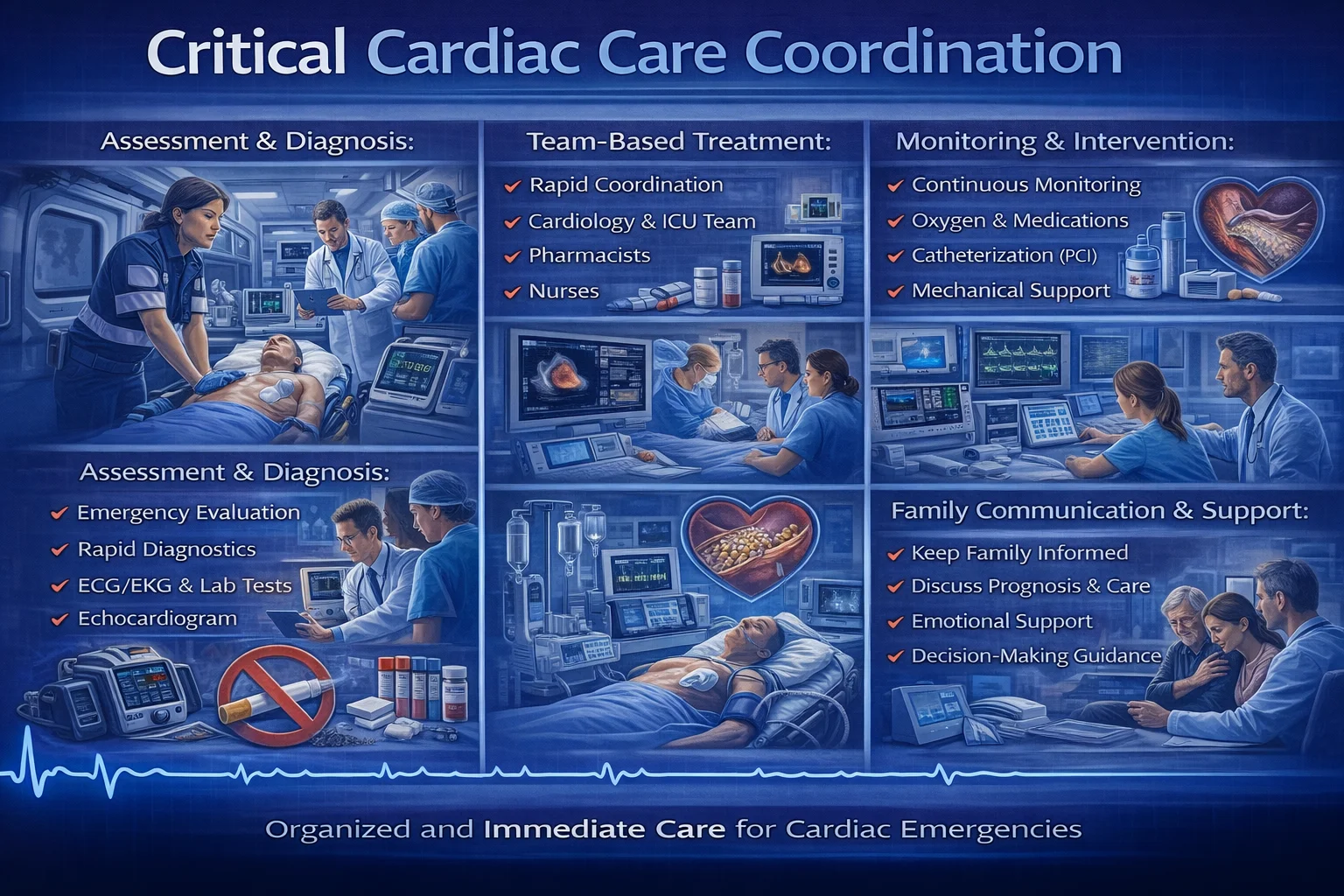
Critical cardiac care coordination is an essential part of managing patients with severe heart conditions who require immediate and specialized attention. It involves the seamless integration of healthcare providers, facilities, and resources to ensure patients receive the right care at the right time. Coordinating critical care helps prevent delays in treatment, improves outcomes, and provides comprehensive care to individuals experiencing life-threatening cardiac events, such as heart attacks, heart failure, or arrhythmias.
Critical cardiac care coordination refers to the process of organizing and managing the various aspects of care for patients with severe cardiac conditions. It involves collaboration among cardiologists, cardiac surgeons, nurses, rehabilitation specialists, and other healthcare professionals to deliver timely and effective treatment. Coordination ensures that patients receive comprehensive care, from initial emergency treatment through recovery and rehabilitation.
This type of care coordination is essential for individuals experiencing acute cardiac events, such as:
Heart Attack (Myocardial Infarction): Immediate treatment is crucial to restore blood flow to the heart and minimize heart muscle damage.
Heart Failure: Critical care coordination ensures patients receive timely interventions to manage symptoms, improve heart function, and prevent complications.
Arrhythmias: Life-threatening irregular heartbeats require swift diagnosis and management to prevent stroke, cardiac arrest, or other complications.
Cardiac Surgery: For patients undergoing heart surgery, such as coronary artery bypass grafting (CABG) or valve replacement, coordination ensures smooth transitions between surgery, recovery, and post-operative care.
Effective critical cardiac care coordination is vital for the following reasons:
Timely Intervention: In emergency situations, such as heart attacks or cardiac arrest, time is critical. Coordinated care helps ensure that patients receive rapid treatment, improving survival rates and reducing complications.
Improved Patient Outcomes: Seamless coordination among healthcare providers improves the quality of care, reduces the risk of errors, and enhances overall patient outcomes.
Comprehensive Care: Critical cardiac care involves multiple medical specialties. Coordination ensures that all aspects of care, including diagnosis, treatment, surgery, recovery, and rehabilitation, are integrated into a cohesive plan.
Efficient Resource Utilization: Coordinating care helps optimize the use of medical resources, such as ICU beds, diagnostic equipment, and medications, ensuring that patients receive the necessary care without unnecessary delays or duplication of services.
Patient and Family Support: In addition to medical care, critical cardiac care coordination often includes emotional and psychological support for both patients and their families, helping them navigate the challenges of a serious heart condition.
Effective cardiac care coordination includes several critical components to ensure optimal outcomes:
Early Detection and Diagnosis: Timely identification of acute cardiac events and risk factors, such as heart attacks or arrhythmias, through diagnostic tests like ECG, echocardiograms, and blood tests.
Timely Treatment: Ensuring rapid access to life-saving treatments, such as thrombolytic therapy for heart attacks, defibrillation for arrhythmias, or emergency coronary angioplasty for blocked arteries.
Emergency and ICU Care: Providing immediate care in an intensive care unit (ICU) or emergency setting for patients in critical condition, including monitoring vital signs, managing medications, and stabilizing the patient’s condition.
Multidisciplinary Team Collaboration: Involving cardiologists, cardiac surgeons, nurses, anesthesiologists, physiotherapists, and nutritionists to create a comprehensive care plan.
Post-Operative and Recovery Care: Following surgery or intensive treatment, coordination continues through recovery, rehabilitation, and long-term management, ensuring that patients receive proper support and lifestyle guidance.
Critical cardiac care coordination offers several benefits, including:
Reduced Mortality Rates: Swift and coordinated treatment improves survival rates for patients experiencing heart attacks, cardiac arrest, or other severe heart conditions.
Faster Recovery: Patients who receive coordinated care are more likely to recover quickly and experience fewer complications following a cardiac event or surgery.
Enhanced Quality of Life: Proper coordination helps prevent long-term heart damage, reduces the risk of future heart problems, and improves the overall quality of life for patients.
Efficient Use of Healthcare Resources: Coordinating care minimizes delays, reduces redundant testing, and optimizes hospital resources, leading to cost-effective treatment.
Patient Satisfaction: Patients benefit from a streamlined, well-organized care plan that reduces confusion, enhances communication, and ensures that their needs are met at every stage of treatment.
Critical cardiac care coordination works through a series of well-defined processes:
Initial Emergency Care: When a patient arrives with symptoms of a heart attack or arrhythmia, a multidisciplinary team assesses the condition and initiates emergency care immediately.
Collaborative Treatment: The team works together to determine the most appropriate treatment, whether it’s medication, angioplasty, or surgery, and ensures that all necessary resources (such as surgical teams or imaging equipment) are available.
Post-Treatment Care: Once the immediate issue is managed, the patient’s care is coordinated to ensure smooth recovery, including monitoring in the ICU, transition to a regular room, and rehabilitation.
Ongoing Monitoring and Follow-Up: After discharge, the patient is monitored through follow-up appointments, rehabilitation programs, and lifestyle changes aimed at preventing future cardiac events.
In addition to immediate treatment, critical cardiac care coordination plays a role in preventing future heart issues:
Lifestyle Counseling: Guidance on diet, exercise, and stress management to help patients improve their heart health and reduce the risk of further cardiovascular events.
Medications: Ensuring patients take necessary medications to manage cholesterol, blood pressure, and blood sugar levels, which are critical to preventing future heart problems.
Rehabilitation Programs: Cardiac rehabilitation programs help patients regain strength, improve fitness, and learn to live with heart disease.
Psychological Support: Addressing the emotional impact of heart disease and providing counseling to help patients cope with the stress of a cardiac event.
If you or a loved one is experiencing symptoms of a heart attack, heart failure, or arrhythmias, immediate medical attention is necessary. Our team of experts specializes in critical cardiac care coordination and is here to provide the necessary treatment and support. Call us at +91 8904666442 to schedule an appointment and ensure the best possible care for your heart health.



Consultant Interventional Cardiologist
MBBS, MD, DM, FICC, FSCAI (USA)