JP Nagar, Bangalore-78
+91 89046 66442 | 88822 61858
Morning: 8:00 AM – 9:00 AM | Evening: 5:30 PM – 9:00 PM
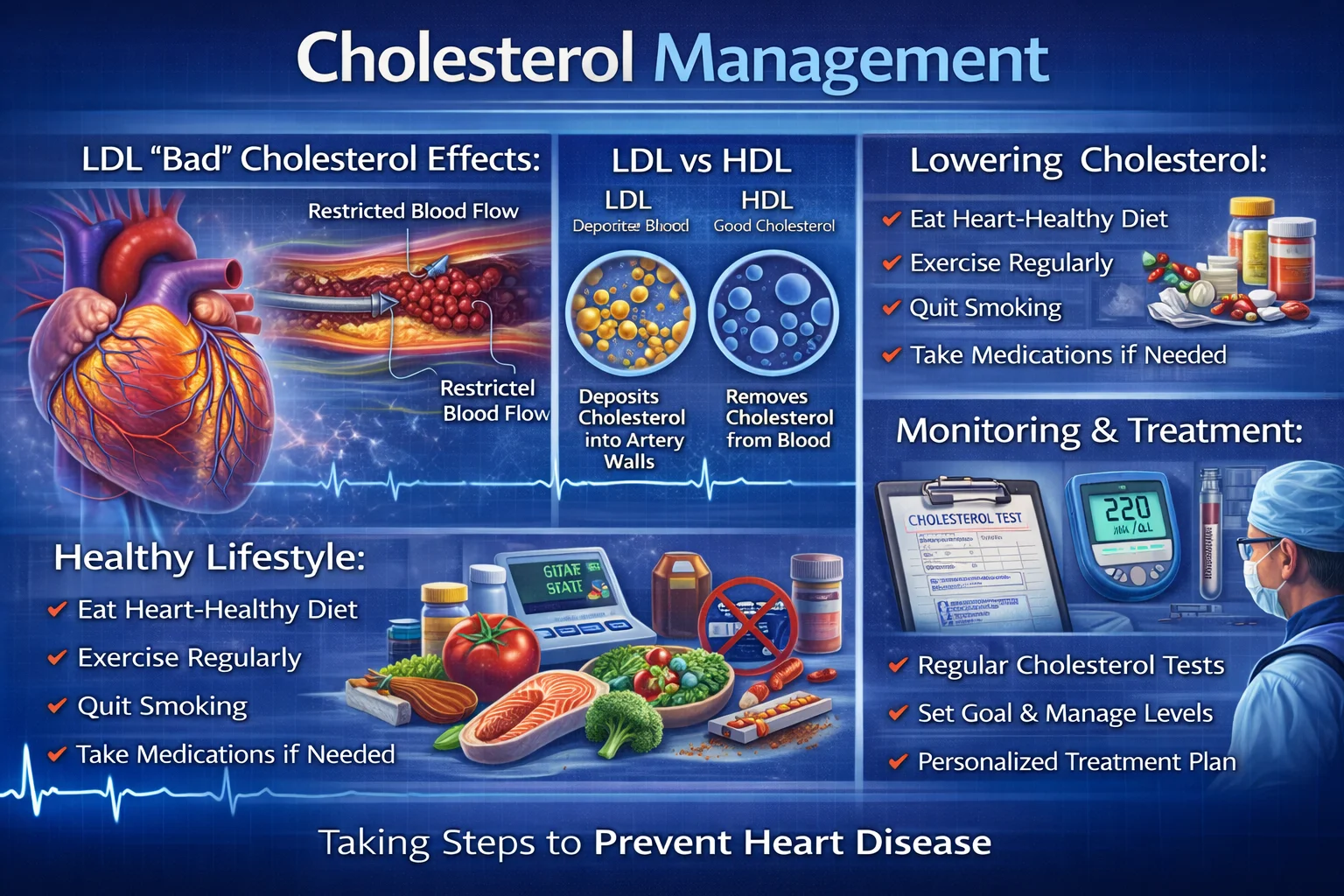
Cholesterol management is crucial for maintaining a healthy heart and preventing cardiovascular diseases. Cholesterol is a type of fat found in your blood, and while your body needs it to build healthy cells, having high levels of cholesterol can increase your risk of heart disease. Proper cholesterol management involves making lifestyle changes, monitoring cholesterol levels, and taking medications if necessary to reduce the risks associated with high cholesterol.
Cholesterol is a fatty substance that is produced by the liver and obtained from animal-based foods like meat and dairy. There are two main types of cholesterol:
Low-Density Lipoprotein (LDL): Often referred to as “bad cholesterol,” LDL carries cholesterol to the arteries, where it can build up and form plaque. This plaque can narrow and block the arteries, increasing the risk of heart disease and stroke.
High-Density Lipoprotein (HDL): Known as “good cholesterol,” HDL helps remove excess cholesterol from the blood, transporting it back to the liver for removal. High levels of HDL can help protect against heart disease.
Triglycerides: Another type of fat in the blood, elevated triglyceride levels can also contribute to the development of cardiovascular diseases.
Proper cholesterol management is important for several reasons:
Reduce the Risk of Heart Disease: High LDL cholesterol levels contribute to plaque buildup in the arteries, which can lead to atherosclerosis, heart attacks, and coronary artery disease.
Prevent Stroke: High cholesterol can also increase the risk of stroke by contributing to blood clots and plaque in the brain’s arteries.
Maintain Healthy Blood Vessels: Healthy cholesterol levels help keep the blood vessels flexible and free of blockages, promoting better circulation.
Lower Blood Pressure: Managing cholesterol can also help reduce blood pressure by improving the health of the arteries and the heart.
Several factors can increase the risk of having high cholesterol, including:
Poor Diet: A diet high in saturated fats, trans fats, and cholesterol can raise LDL cholesterol levels.
Obesity: Being overweight or obese can increase LDL cholesterol and decrease HDL cholesterol.
Lack of Physical Activity: Physical inactivity can lead to higher LDL cholesterol and lower HDL cholesterol levels.
Smoking: Smoking damages the blood vessels, making it easier for LDL cholesterol to accumulate in the arteries.
Alcohol Consumption: Excessive alcohol intake can increase triglyceride levels and contribute to high cholesterol.
Age and Gender: Cholesterol levels tend to rise as people age. Men generally have higher cholesterol levels earlier in life, but the risk increases for women after menopause.
Genetics: Family history plays a significant role, and individuals with a family history of high cholesterol or heart disease are more likely to develop high cholesterol.
High cholesterol typically doesn’t show noticeable symptoms, which is why regular screening is important. However, in severe cases, high cholesterol can lead to symptoms such as:
Chest Pain: Caused by reduced blood flow to the heart due to plaque buildup in the arteries.
Shortness of Breath: Difficulty breathing, especially during physical exertion.
Fatigue: Unusual tiredness even with minimal activity due to reduced circulation.
Xanthomas: Fatty deposits that can form under the skin or around the eyes, often linked to high cholesterol levels.
Stroke Symptoms: In cases of a stroke caused by cholesterol-related blockages, symptoms may include sudden weakness, numbness, confusion, or difficulty speaking.
High cholesterol is diagnosed through a blood test known as a lipid profile or lipid panel. This test measures:
Total Cholesterol: The overall amount of cholesterol in the blood.
LDL Cholesterol: The “bad” cholesterol that contributes to plaque buildup in the arteries.
HDL Cholesterol: The “good” cholesterol that helps remove excess cholesterol.
Triglycerides: Fats in the blood that can also affect heart health.
The American Heart Association recommends having a lipid profile test at least once every 4 to 6 years for adults over the age of 20. More frequent testing may be necessary for individuals with risk factors.
Managing cholesterol levels involves lifestyle changes, medications, and regular monitoring:
Lifestyle Changes:
Healthy Diet: Focus on a diet low in saturated fats, trans fats, and cholesterol. Include heart-healthy foods like fruits, vegetables, whole grains, and lean proteins.
Exercise: Aim for at least 30 minutes of moderate physical activity most days of the week to raise HDL cholesterol and lower LDL cholesterol.
Weight Loss: Losing excess weight can help lower LDL cholesterol and improve overall heart health.
Quit Smoking: Smoking cessation improves HDL cholesterol levels and heart health.
Limit Alcohol: Reduce alcohol consumption to prevent elevated triglyceride levels and support heart health.
Medications:
Statins: Statins are commonly prescribed to lower LDL cholesterol by blocking the liver’s production of cholesterol.
Bile Acid Sequestrants: These medications help reduce cholesterol levels by binding to bile acids and removing them from the body.
Cholesterol Absorption Inhibitors: These drugs reduce the amount of cholesterol absorbed by the intestines.
PCSK9 Inhibitors: These medications help the liver remove more LDL cholesterol from the bloodstream.
Fibrates: Primarily used to lower triglyceride levels and increase HDL cholesterol.
Niacin: Niacin can help raise HDL cholesterol levels and lower LDL cholesterol and triglycerides.
Preventing high cholesterol involves maintaining a heart-healthy lifestyle:
Eat a Heart-Healthy Diet: Focus on reducing saturated fats and increasing fiber, while including healthy fats like those from olive oil, avocados, and fatty fish.
Stay Active: Engage in regular physical activity to keep cholesterol levels in check.
Avoid Smoking and Limit Alcohol: Smoking and excessive alcohol consumption can raise cholesterol levels and increase the risk of heart disease.
Maintain a Healthy Weight: Keeping your weight within a healthy range helps control cholesterol and reduces the burden on the heart.
If you’re concerned about your cholesterol levels or have a family history of heart disease, it’s important to schedule a consultation to manage your heart health. Our specialists can provide the necessary screening, treatment, and advice to help you maintain healthy cholesterol levels. Call us at +91 8904666442 to book your appointment and take control of your heart health today.



Consultant Interventional Cardiologist
MBBS, MD, DM, FICC, FSCAI (USA)