
JP Nagar, Bangalore-78
+91 89046 66442 | 88822 61858
Morning: 8:00 AM – 9:00 AM | Evening: 5:30 PM – 9:00 PM
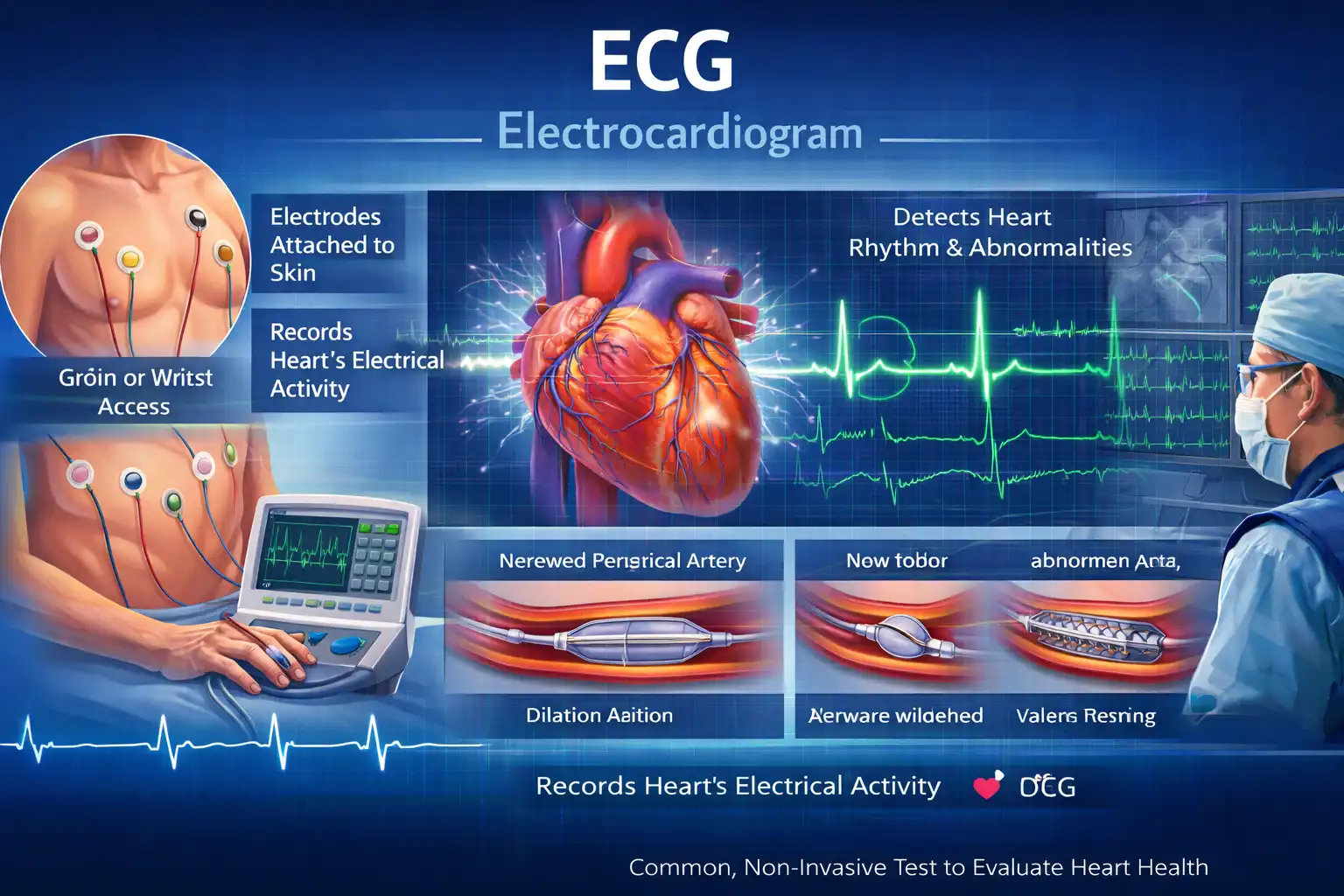
An electrocardiogram (ECG or EKG) is one of the most common and essential tests used in cardiology to assess the electrical activity of the heart. It provides valuable information about heart rate, rhythm, and any abnormalities in the heart’s electrical conduction system. As a non-invasive, quick, and painless procedure, an ECG plays a vital role in diagnosing various heart conditions, from arrhythmias and heart attacks to electrolyte imbalances and structural issues.
An electrocardiogram (ECG) is a simple, non-invasive test that records the electrical signals produced by the heart. These signals are captured through electrodes placed on the skin, which detect the electrical impulses that trigger each heartbeat. The test provides a graphic representation (ECG waveform) of the heart’s electrical activity, allowing doctors to assess the heart’s rhythm, rate, and overall function.
An ECG is essential in diagnosing a wide range of heart conditions, including arrhythmias, heart attacks, and heart disease.
ECG is a crucial diagnostic tool for several reasons:
Non-Invasive: The test requires no needles, injections, or incisions, making it completely painless and safe for patients of all ages.
Quick Results: ECGs can be performed in just a few minutes, providing immediate results that help doctors make quick decisions regarding treatment.
Early Detection: Regular ECGs can help identify heart problems at an early stage, even before symptoms appear. Early detection allows for timely intervention, improving treatment outcomes.
Diagnostic Tool for a Range of Conditions: ECG is used to diagnose a variety of heart conditions, including arrhythmias (irregular heartbeats), myocardial infarction (heart attack), and signs of heart disease.
An ECG is often recommended in the following situations:
Chest Pain or Discomfort: If you’re experiencing chest pain, tightness, or discomfort, an ECG can help determine if there’s an underlying heart issue such as a heart attack.
Irregular Heartbeat: If you experience symptoms such as palpitations, dizziness, or fainting, an ECG can help detect abnormal heart rhythms (arrhythmias).
Pre-Operative Assessment: Before undergoing surgery, doctors often perform an ECG to evaluate the heart’s health and ensure the patient is fit for the procedure.
Routine Heart Check-ups: For individuals with a history of heart disease, diabetes, or hypertension, regular ECGs may be performed as part of a comprehensive heart health assessment.
Monitoring Heart Disease: ECGs are also used to monitor patients who have been diagnosed with heart disease, helping doctors assess how the heart is functioning over time.
An ECG is performed by placing small, sticky electrodes on specific areas of the body, usually on the chest, arms, and legs. These electrodes are connected to an ECG machine, which records the electrical activity of the heart. The test typically takes about 5 to 10 minutes, with no discomfort or preparation needed from the patient.
The electrodes pick up the heart’s electrical impulses and transmit them to the ECG machine, which produces a graph of the heart’s rhythm. This graph is then analyzed by a doctor or cardiologist to detect any abnormalities or issues with the heart’s electrical function.
Benefits of an ECG
Quick and Painless: The ECG is a simple, quick, and non-invasive test that can be completed in minutes, with no discomfort or pain for the patient.
Early Diagnosis of Heart Conditions: An ECG can help identify problems early, even before symptoms appear, enabling doctors to take preventive action.
Affordable and Accessible: ECGs are widely available, affordable, and easy to perform in most healthcare settings, making them an essential tool for monitoring heart health.
Helps Diagnose a Range of Conditions: An ECG can help diagnose a variety of heart conditions, including arrhythmias, heart attacks, and heart failure, providing vital information to guide treatment decisions.
The ECG test is quick, simple, and painless. During the procedure, you will be asked to lie on an examination table while electrodes are attached to your skin. You will need to remain still during the test to ensure accurate results. The entire procedure usually takes between 5 to 10 minutes.
Once the test is complete, the results will be analyzed by a cardiologist or doctor, who will discuss the findings with you. If any abnormalities are detected, further tests or treatment options may be recommended.
An ECG is one of the most effective tools in diagnosing and monitoring heart conditions. Whether you’re experiencing symptoms or undergoing a routine heart check-up, this simple, non-invasive test can provide vital insights into your heart health and help detect problems early. With early intervention, you can manage heart conditions effectively and reduce the risk of complications.
If you’re experiencing chest pain, shortness of breath, irregular heartbeats, or other symptoms related to heart health, an ECG could be an essential part of your diagnosis. Schedule an appointment today to get a quick and accurate assessment of your heart health. Call us at +91 8904666442 to book your consultation.



Consultant Interventional Cardiologist
MBBS, MD, DM, FICC, FSCAI (USA)