JP Nagar, Bangalore-78
+91 89046 66442 | 88822 61858
Morning: 8:00 AM – 9:00 AM | Evening: 5:30 PM – 9:00 PM
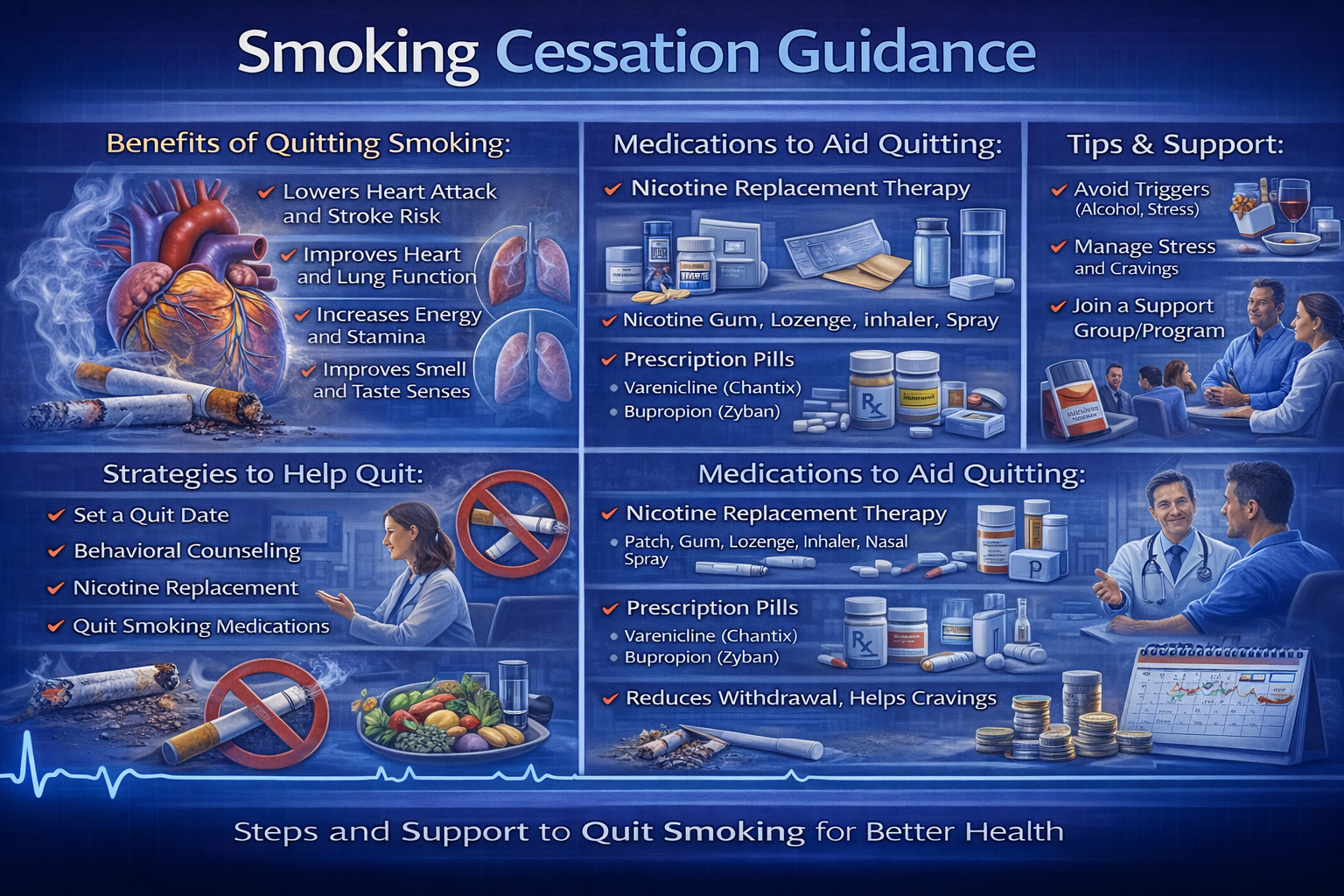
Smoking is a leading cause of preventable diseases, including heart disease, lung cancer, and respiratory disorders. Quitting smoking is one of the most important steps you can take to improve your overall health and well-being. Smoking cessation guidance provides personalized support, strategies, and resources to help you quit smoking for good. Whether you’re a long-time smoker or have recently started, the right guidance and support can make the journey to becoming smoke-free more achievable and successful.
Smoking cessation guidance is a structured program designed to help individuals quit smoking. This guidance typically involves a combination of counseling, behavioral therapy, medications, and lifestyle changes tailored to each individual’s needs. The goal is to provide smokers with the tools, resources, and support needed to overcome nicotine addiction and maintain a smoke-free life.
Quitting smoking offers numerous health benefits, including:
Reduced Risk of Heart Disease: Smoking contributes to atherosclerosis (narrowing of the arteries), high blood pressure, and increased heart rate, all of which raise the risk of heart attacks and strokes. Quitting reduces the risk of heart disease significantly.
Improved Lung Health: Smoking damages the lungs and leads to respiratory diseases such as chronic obstructive pulmonary disease (COPD) and lung cancer. Stopping smoking improves lung function and reduces the risk of these diseases.
Lowered Cancer Risk: Smoking is linked to various cancers, including lung, mouth, throat, and bladder cancer. Quitting smoking reduces the risk of these cancers over time.
Improved Quality of Life: Quitting smoking improves overall health, increases energy, enhances stamina, and boosts the immune system.
Longer Life Expectancy: Quitting smoking adds years to your life by reducing the risk of life-threatening diseases.
Quitting smoking can be difficult due to nicotine addiction and the psychological habits associated with smoking. Common challenges include:
Nicotine Withdrawal: Nicotine is addictive, and when you stop smoking, your body goes through withdrawal, leading to cravings, irritability, anxiety, and difficulty concentrating.
Habitual Behavior: Many smokers associate smoking with certain activities or emotions, such as drinking coffee or managing stress, making it hard to break the habit.
Social Triggers: Social environments where others smoke can trigger cravings and make it more difficult to quit.
Effective smoking cessation programs often use a combination of strategies to help individuals quit:
Behavioral Therapy: Counseling sessions that focus on identifying triggers for smoking and developing coping strategies to manage cravings and avoid relapse.
Nicotine Replacement Therapy (NRT): NRT includes options like nicotine patches, gum, lozenges, nasal sprays, and inhalers that provide a lower dose of nicotine to help reduce withdrawal symptoms and cravings.
Prescription Medications: Medications such as varenicline (Chantix) or bupropion (Zyban) can help reduce cravings and make it easier to quit smoking by affecting brain chemicals associated with addiction.
Support Groups and Counseling: Group counseling and support groups provide encouragement, motivation, and shared experiences to help individuals stay on track with their quit journey.
Mindfulness and Stress Management: Learning stress-relieving techniques such as deep breathing, meditation, and yoga can help manage the stress and anxiety often associated with quitting smoking.
Smoking cessation guidance offers a wide range of benefits to individuals looking to quit smoking:
Personalized Plan: You will receive a customized quit plan based on your smoking habits, triggers, and goals.
Expert Support: Professional counselors and healthcare providers offer guidance, motivation, and emotional support throughout the quitting process.
Increased Success Rate: With proper guidance, smokers are more likely to successfully quit and maintain a smoke-free life.
Reduced Relapse: Smoking cessation programs help individuals prevent relapse by teaching coping mechanisms and providing continuous support.
Improved Health Outcomes: Quitting smoking reduces the risk of heart disease, cancer, respiratory disorders, and other serious health conditions, leading to a longer and healthier life.
During smoking cessation counseling, you can expect the following steps:
Initial Assessment: Your counselor will assess your smoking habits, medical history, and readiness to quit. They will discuss your motivations for quitting and any previous attempts you have made.
Personalized Plan: Based on the assessment, your counselor will create a tailored quit plan that includes a combination of therapies, coping strategies, and lifestyle modifications.
Supportive Counseling: Regular sessions will provide ongoing support, help you overcome challenges, and adjust the quit plan if necessary.
Nicotine Replacement or Medications: Your counselor may recommend nicotine replacement products or prescribe medications to ease withdrawal symptoms and cravings.
Coping Strategies: You will learn strategies for dealing with triggers, managing stress, and staying motivated to quit.
Maintaining a smoke-free life requires ongoing effort and commitment. To prevent relapse, individuals are encouraged to:
Avoid Smoking Triggers: Identify and avoid situations that prompt you to smoke, such as social gatherings or stressful situations.
Practice Stress Management: Use relaxation techniques like deep breathing, meditation, or exercise to cope with stress without relying on smoking.
Stay Active: Regular physical activity not only improves overall health but also helps manage weight and stress, making it easier to resist cravings.
Seek Continued Support: Ongoing counseling and support groups can help you stay smoke-free by providing encouragement and motivation.
Celebrate Milestones: Reward yourself for staying smoke-free for days, weeks, and months. Celebrating small victories will keep you motivated.
If you’re ready to quit smoking and improve your health, schedule an appointment with our smoking cessation experts today. Our team will guide you through the process and provide the support you need to succeed. Call us at +91 8904666442 to book your consultation and take the first step toward a smoke-free future.



Consultant Interventional Cardiologist
MBBS, MD, DM, FICC, FSCAI (USA)