JP Nagar, Bangalore-78
+91 89046 66442 | 88822 61858
Morning: 8:00 AM – 9:00 AM | Evening: 5:30 PM – 9:00 PM
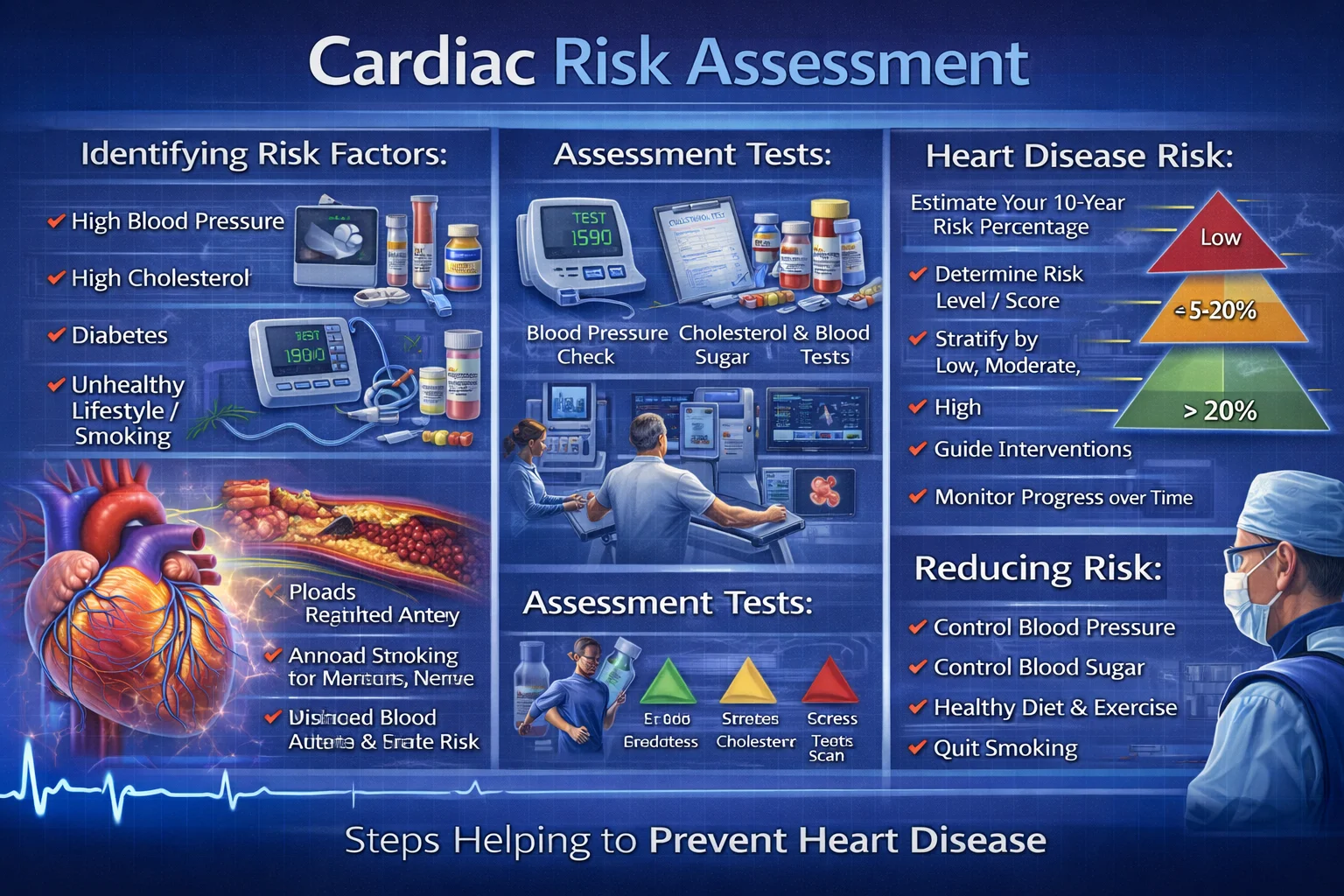
A cardiac risk assessment is an essential tool used to evaluate an individual’s risk for developing heart disease. By identifying risk factors early, healthcare providers can help you take preventive steps to reduce the likelihood of serious heart conditions, such as heart attacks, strokes, and heart failure. A thorough cardiac risk assessment helps individuals understand their heart health, make informed lifestyle changes, and seek timely medical intervention to maintain a healthy heart.
Cardiac risk assessment is a process where healthcare professionals evaluate various factors that contribute to heart disease. The assessment typically includes a series of tests, screenings, and evaluations designed to measure risk factors such as high cholesterol, high blood pressure, blood sugar levels, and lifestyle factors like diet and exercise habits. The goal of the assessment is to identify individuals at high risk for cardiovascular disease and help them take preventive actions to maintain heart health.
Cardiac risk assessment is important for several reasons:
Early Detection: It helps detect heart disease risk factors before symptoms develop, allowing for early intervention.
Prevention: Identifying risk factors early enables individuals to make lifestyle changes or take medications to reduce the risk of heart disease.
Informed Decisions: A risk assessment provides individuals with the necessary information to make lifestyle changes that can prevent heart disease.
Manage Existing Conditions: For those with existing conditions such as high blood pressure, diabetes, or high cholesterol, a risk assessment helps manage these conditions effectively to prevent further heart damage.
Several key factors contribute to your overall heart disease risk, and each is evaluated during a cardiac risk assessment:
High Blood Pressure (Hypertension): Elevated blood pressure can damage blood vessels and increase the risk of heart disease and stroke.
High Cholesterol: Unhealthy cholesterol levels (high LDL and low HDL) contribute to plaque buildup in the arteries, which can lead to heart attacks and strokes.
Diabetes: Diabetes increases the risk of developing heart disease, as high blood sugar can damage blood vessels and increase the chances of atherosclerosis.
Obesity: Excess weight, especially around the abdomen, puts added strain on the heart and is linked to high cholesterol, hypertension, and diabetes.
Smoking: Smoking damages the blood vessels, increases blood pressure, and accelerates the development of heart disease.
Sedentary Lifestyle: Lack of physical activity contributes to obesity, high blood pressure, and poor heart health.
Poor Diet: Diets high in saturated fats, sodium, and sugar increase the risk of high cholesterol and blood pressure, both of which contribute to heart disease.
Family History: A family history of heart disease can increase the likelihood of developing cardiovascular problems, especially if combined with other risk factors.
Age: The risk of heart disease increases as you get older.
Gender: Men are generally at a higher risk of heart disease at an earlier age, but the risk for women increases after menopause.
Although heart disease can often develop without obvious symptoms, there are certain signs that may indicate the need for a cardiac risk assessment:
Chest Pain or Discomfort: Pain, pressure, or tightness in the chest, especially during physical exertion, could signal heart problems.
Shortness of Breath: Difficulty breathing, especially during activity or when lying flat, may suggest a heart condition.
Fatigue: Feeling unusually tired or weak, even with minimal exertion, could be a sign of poor heart function.
Swelling: Fluid buildup in the legs, ankles, feet, or abdomen can be a sign of heart failure.
Palpitations: Irregular or rapid heartbeats may indicate arrhythmias, which can increase the risk of heart disease.
Dizziness or Fainting: These symptoms, particularly when associated with chest pain, can indicate poor blood flow due to heart disease.
A cardiac risk assessment involves several steps, including a combination of medical history, physical examination, and diagnostic tests:
Medical History: Your doctor will ask about your lifestyle habits, family history of heart disease, and any existing medical conditions.
Physical Examination: The doctor will check for signs of heart disease, such as abnormal heart sounds or signs of fluid retention.
Blood Pressure Measurement: High blood pressure is one of the leading risk factors for heart disease, so it will be measured during the assessment.
Blood Tests: A blood test will check your cholesterol levels (LDL, HDL, total cholesterol) and blood sugar levels to assess your cardiovascular health.
Electrocardiogram (ECG): An ECG records the electrical activity of the heart and helps detect arrhythmias or past heart attacks.
Echocardiogram: An ultrasound of the heart that helps assess its size, shape, and function.
Stress Test: A stress test evaluates how the heart responds to physical exertion and can detect underlying heart disease or blockages.
Coronary Calcium Scoring: A specialized test to assess the amount of calcium buildup in the coronary arteries, which can indicate the presence of atherosclerosis.
Based on the results of your risk assessment, your healthcare provider will recommend a personalized treatment plan that may include:
Lifestyle Changes:
Dietary Modifications: Adopting a heart-healthy diet, such as the DASH diet or Mediterranean diet, which emphasizes fruits, vegetables, whole grains, and healthy fats.
Exercise: Regular physical activity helps manage weight, lower blood pressure, and improve cholesterol levels.
Weight Management: Losing excess weight reduces strain on the heart and lowers the risk of heart disease.
Smoking Cessation: Quitting smoking is one of the most effective ways to reduce the risk of heart disease.
Limiting Alcohol: Reducing alcohol intake can help manage blood pressure and improve overall heart health.
Medications:
Statins: To lower cholesterol levels and reduce the risk of plaque buildup in the arteries.
Antihypertensive Medications: To manage high blood pressure and reduce strain on the heart.
Blood Thinners: To reduce the risk of blood clots and stroke.
Diabetes Medications: If diabetes is present, medications to control blood sugar may be prescribed to reduce the risk of heart disease.
Prevention is key to reducing the risk of heart disease. A regular cardiac risk assessment, combined with healthy lifestyle choices, can significantly decrease the risk of developing cardiovascular diseases:
Monitor and Control Risk Factors: Keep track of your blood pressure, cholesterol, and blood sugar levels to ensure they remain within healthy ranges.
Adopt a Heart-Healthy Lifestyle: Eat a balanced diet, exercise regularly, maintain a healthy weight, and avoid smoking to lower the risk of heart disease.
Regular Health Screenings: Regular check-ups with your doctor help monitor your heart health and catch any issues early.
If you’re at risk for heart disease or have concerns about your cardiovascular health, schedule a cardiac risk assessment today. Early intervention is crucial in preventing heart disease and improving overall heart health. Call us at +91 8904666442 to book your appointment and take proactive steps to protect your heart.



Consultant Interventional Cardiologist
MBBS, MD, DM, FICC, FSCAI (USA)