JP Nagar, Bangalore-78
+91 89046 66442 | 88822 61858
Morning: 8:00 AM – 9:00 AM | Evening: 5:30 PM – 9:00 PM
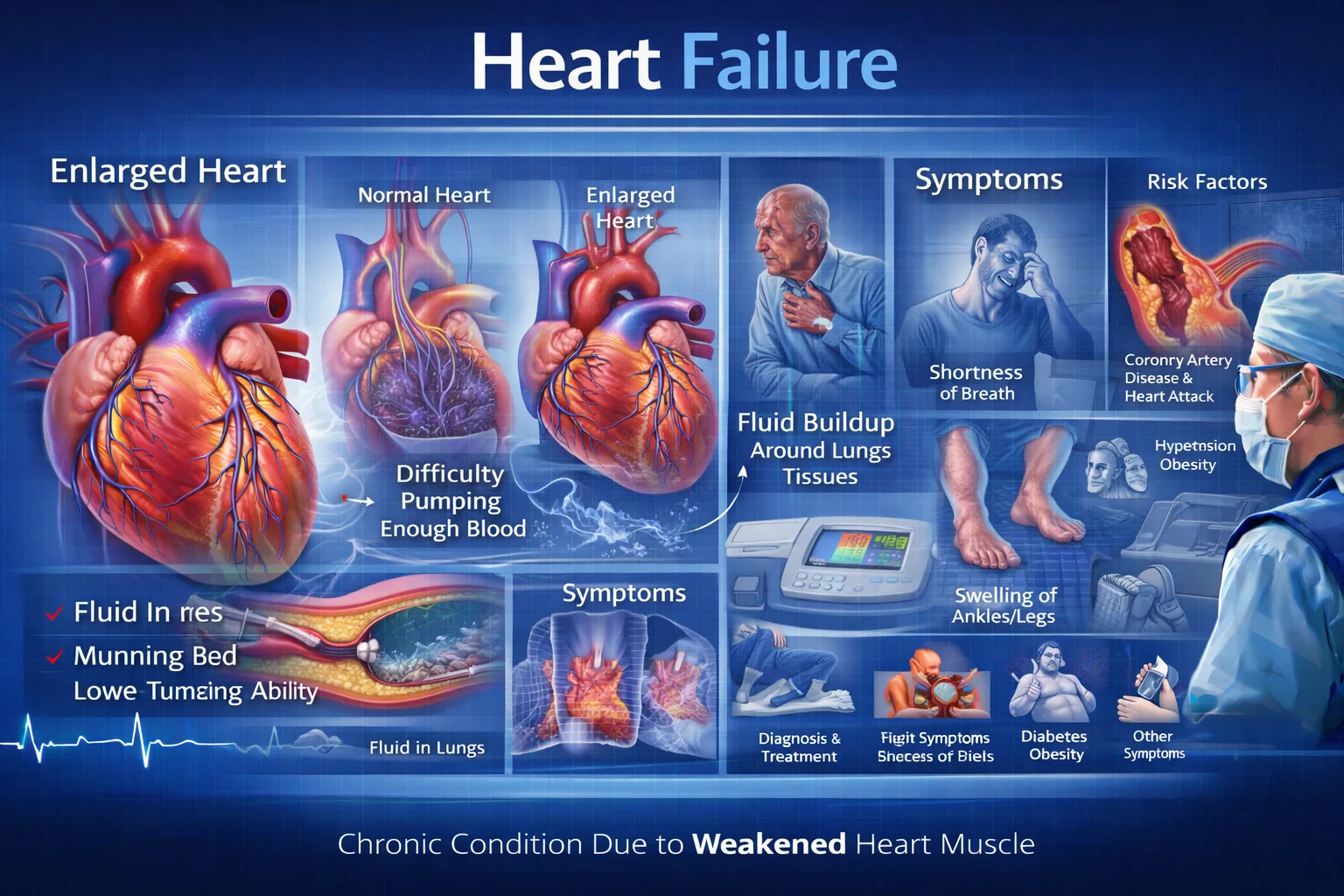
Heart failure is a serious condition where the heart is unable to pump blood effectively to meet the body’s needs. This can happen when the heart muscle becomes weakened or stiff and is unable to circulate blood as efficiently as it should. While heart failure is a chronic condition, it can often be managed with the right treatment and lifestyle changes. Early diagnosis and treatment are key to improving quality of life and reducing the risk of severe complications.
Heart failure occurs when the heart is unable to pump enough blood to meet the body’s needs. This may happen due to a weakened heart muscle or stiffening of the heart walls. As a result, the body doesn’t get enough oxygen and nutrients, leading to fatigue, shortness of breath, and fluid retention. Heart failure can occur in the left side, right side, or both sides of the heart, depending on which part of the heart is most affected.
Heart failure can lead to several complications, such as:
Reduced Blood Flow: The heart cannot provide enough blood to the body’s organs, causing them to work less efficiently.
Fluid Retention: As the heart struggles to pump blood, fluid can accumulate in the lungs, abdomen, and lower extremities, causing swelling and shortness of breath.
Arrhythmias: Abnormal heart rhythms are common in people with heart failure, which can increase the risk of stroke and other complications.
Kidney Damage: Poor circulation can cause the kidneys to function improperly, leading to kidney failure in severe cases.
Several conditions and lifestyle factors can increase the risk of developing heart failure:
Coronary Artery Disease: Blockages in the coronary arteries can damage the heart and lead to heart failure.
Hypertension (High Blood Pressure): High blood pressure increases the heart’s workload, leading to weakening or stiffening of the heart muscle.
Heart Attack: Damage to the heart muscle from a heart attack can impair the heart’s ability to pump blood.
Diabetes: Diabetes can lead to high blood pressure and damage blood vessels, increasing the risk of heart failure.
Obesity: Excess weight puts strain on the heart and can lead to heart failure.
Valve Disease: Dysfunction in the heart’s valves can affect blood flow and contribute to heart failure.
Smoking: Smoking contributes to heart disease and increases the risk of developing heart failure.
Symptoms of heart failure may vary depending on the severity of the condition but commonly include:
Shortness of Breath: Difficulty breathing, especially when lying flat or during physical activity.
Fatigue: Unusual tiredness or lack of energy even after resting.
Swelling: Fluid buildup in the legs, ankles, feet, or abdomen, often leading to noticeable swelling.
Rapid or Irregular Heartbeat: Palpitations or a feeling of a fluttering heart.
Coughing or Wheezing: Chronic coughing or wheezing due to fluid buildup in the lungs.
Reduced Ability to Exercise: Difficulty performing physical activities that were once easy due to lack of stamina or breathlessness.
If you experience any of these symptoms, it’s important to consult a doctor to determine the cause and get appropriate treatment.
Heart failure is diagnosed based on a combination of symptoms, physical examinations, and tests:
Physical Exam: The doctor may check for signs of fluid retention, irregular heartbeats, and other symptoms.
Echocardiogram: An ultrasound of the heart that provides images of the heart’s structure and how well it is pumping.
Electrocardiogram (ECG): Measures the electrical activity of the heart to check for arrhythmias or other irregularities.
Chest X-Ray: Helps identify fluid buildup in the lungs and evaluate the size of the heart.
Blood Tests: Tests such as B-type natriuretic peptide (BNP) levels help evaluate heart failure and its severity.
Stress Test: Measures the heart’s function under stress, either through exercise or medication.
While heart failure cannot be cured, it can be managed effectively through a combination of treatments:
Medications:
ACE Inhibitors: Help relax blood vessels and reduce the heart’s workload.
Beta-Blockers: Lower heart rate and reduce blood pressure to ease the heart’s workload.
Diuretics: Help reduce fluid buildup by increasing urine output.
Aldosterone Antagonists: Reduce fluid retention and prevent damage to the heart.
Angiotensin II Receptor Blockers (ARBs): Help relax blood vessels and lower blood pressure.
Lifestyle Changes:
Low-Sodium Diet: Helps prevent fluid retention and reduces strain on the heart.
Exercise: Regular physical activity can strengthen the heart and improve circulation.
Weight Management: Maintaining a healthy weight reduces the burden on the heart.
Quit Smoking and Limit Alcohol: Smoking and excessive alcohol consumption can worsen heart failure.
Stress Management: Techniques like yoga, meditation, and breathing exercises can help reduce stress levels.
Surgical Interventions:
Coronary Artery Bypass Surgery (CABG): In cases where blocked arteries are contributing to heart failure.
Heart Valve Repair or Replacement: When valve disease is a contributing factor.
Left Ventricular Assist Device (LVAD): A mechanical pump that helps the heart pump blood.
Heart Transplant: In severe cases, a heart transplant may be needed if other treatments are ineffective.
Preventing heart failure involves managing underlying conditions and adopting a heart-healthy lifestyle:
Control High Blood Pressure: Proper management of blood pressure can prevent damage to the heart.
Prevent Heart Disease: Regular check-ups and treating conditions like diabetes, high cholesterol, and coronary artery disease can help prevent heart failure.
Eat a Healthy Diet: A diet low in salt, unhealthy fats, and processed foods helps protect the heart.
Exercise Regularly: Staying active improves heart function and reduces the risk of heart failure.
Avoid Smoking and Limit Alcohol: Reducing or quitting smoking and limiting alcohol intake helps prevent heart disease.
If you or a loved one is experiencing symptoms of heart failure such as shortness of breath, fatigue, or swelling, schedule an appointment with our specialists today. Early detection and treatment are crucial in managing heart failure effectively. Call us at +91 8904666442 to book your consultation and take control of your heart health.



Consultant Interventional Cardiologist
MBBS, MD, DM, FICC, FSCAI (USA)