JP Nagar, Bangalore-78
+91 89046 66442 | 88822 61858
Morning: 8:00 AM – 9:00 AM | Evening: 5:30 PM – 9:00 PM
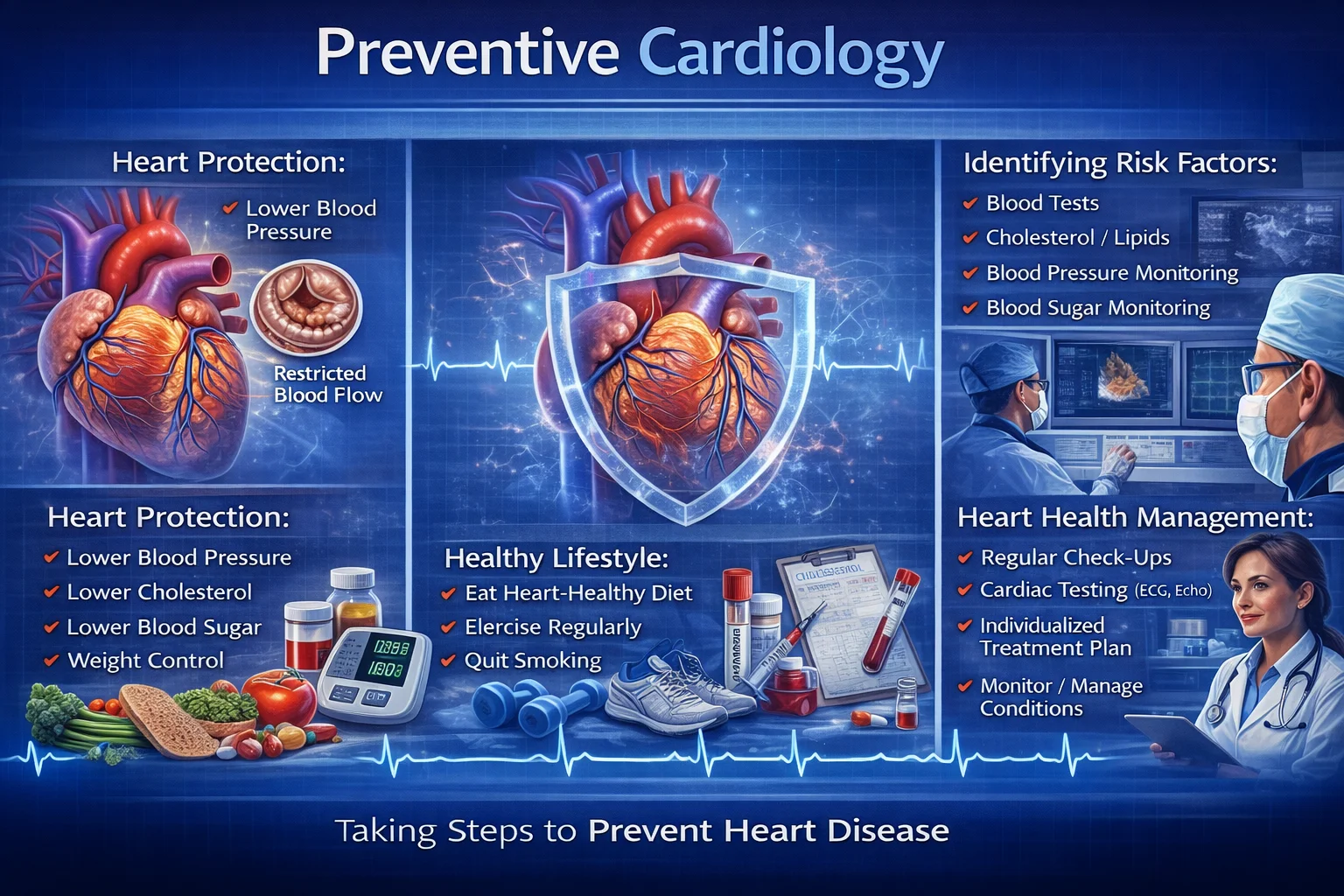
Preventive cardiology focuses on the early detection, management, and prevention of heart diseases before they become serious issues. It involves adopting lifestyle changes, managing risk factors, and utilizing diagnostic tools to identify potential heart problems at an early stage. The goal of preventive cardiology is to reduce the risk of cardiovascular diseases, improve overall heart health, and enhance quality of life by making heart-healthy choices.
Preventive cardiology is a branch of cardiology that aims to reduce the risk of cardiovascular diseases (CVDs) through early intervention, education, and lifestyle management. This approach focuses on addressing the underlying risk factors that can lead to heart conditions, such as high blood pressure, high cholesterol, diabetes, and obesity. By focusing on prevention, individuals can reduce their chances of developing heart disease and live healthier, longer lives.
Preventive cardiology is important for several reasons:
Reducing Risk Factors: Preventive cardiology helps identify risk factors like hypertension, high cholesterol, and diabetes that may lead to heart disease if left unmanaged.
Early Detection: By regularly monitoring heart health, it is possible to detect early signs of cardiovascular disease and intervene before symptoms become severe.
Improved Quality of Life: By taking proactive steps to manage heart health, individuals can enjoy better overall well-being, greater energy, and reduced risk of life-threatening complications.
Cost Savings: Prevention is often more cost-effective than treatment. Addressing risk factors early can reduce the need for expensive treatments or surgeries later on.
Understanding and managing the following risk factors is key in preventive cardiology:
High Blood Pressure (Hypertension): Chronic high blood pressure increases the risk of heart disease, stroke, and kidney damage.
High Cholesterol: Elevated cholesterol levels can lead to plaque buildup in the arteries, increasing the risk of coronary artery disease.
Smoking: Smoking damages the blood vessels and heart tissue, significantly increasing the risk of heart disease.
Diabetes: Poorly controlled diabetes increases the risk of cardiovascular complications, including heart attack and stroke.
Obesity: Excess weight puts a strain on the heart and can contribute to high blood pressure, high cholesterol, and diabetes.
Physical Inactivity: A sedentary lifestyle contributes to obesity, high blood pressure, and poor heart health.
Unhealthy Diet: Diets high in saturated fats, sodium, and sugars can lead to high cholesterol and other heart-related issues.
Family History: A family history of heart disease increases the likelihood of developing similar conditions.
Stress: Chronic stress can contribute to high blood pressure and poor lifestyle choices, which increase the risk of heart disease.
While many heart diseases can develop without noticeable symptoms, some early signs may include:
Chest Pain or Discomfort: Tightness, pressure, or pain in the chest may signal a heart issue, particularly if triggered by physical activity or stress.
Shortness of Breath: Difficulty breathing or feeling winded, especially during physical activity, may be a sign of heart or lung problems.
Fatigue: Unusual tiredness, even with minimal exertion, can indicate poor heart function.
Dizziness or Lightheadedness: Feeling faint or lightheaded, especially when standing up, may signal circulatory problems.
Swelling: Fluid retention in the legs, ankles, or abdomen, often associated with heart failure.
Preventive cardiology includes several diagnostic tests and screenings to assess cardiovascular risk:
Blood Pressure Measurement: Regular blood pressure checks help detect hypertension, a major risk factor for heart disease.
Blood Tests: Blood tests to measure cholesterol levels, blood sugar, and other factors that affect heart health.
Electrocardiogram (ECG): A test to record the electrical activity of the heart and detect abnormal rhythms or past heart attacks.
Stress Testing: A test that monitors heart function during exercise or physical stress to identify any issues with blood flow.
Echocardiogram: An ultrasound of the heart to assess its size, function, and any potential damage.
Coronary Calcium Scoring: A test that measures the amount of calcium in the coronary arteries, which can indicate the presence of early coronary artery disease.
Cardiac MRI or CT Scan: Advanced imaging techniques that provide detailed views of the heart’s structure and function.
Preventive cardiology emphasizes healthy lifestyle changes to reduce heart disease risk:
Dietary Modifications:
Eat a diet rich in fruits, vegetables, whole grains, lean proteins, and healthy fats while limiting processed foods, sugary drinks, and excessive salt intake.
Include heart-healthy foods such as fish, nuts, and olive oil to promote good cholesterol and reduce inflammation.
Physical Activity:
Engage in at least 30 minutes of moderate exercise most days of the week to maintain cardiovascular health and prevent weight gain.
Activities such as walking, jogging, swimming, and cycling are excellent for improving heart function.
Smoking Cessation:
Quitting smoking is one of the most effective ways to improve heart health and reduce the risk of heart disease.
Weight Management:
Maintaining a healthy weight reduces the strain on the heart and lowers the risk of diabetes, hypertension, and high cholesterol.
Stress Management:
Practice relaxation techniques such as yoga, meditation, and deep breathing to manage stress, which can negatively impact heart health.
In some cases, medications and medical interventions may be necessary to prevent cardiovascular disease:
Cholesterol-Lowering Medications (Statins): Statins help lower bad cholesterol (LDL) levels and reduce the risk of heart disease.
Antihypertensive Drugs: Medications to lower blood pressure, such as ACE inhibitors, beta-blockers, and calcium channel blockers.
Blood Thinners: Medications that prevent blood clots from forming, which can reduce the risk of stroke and heart attack.
Aspirin Therapy: In some cases, low-dose aspirin may be prescribed to reduce the risk of blood clot formation in high-risk individuals.
To prevent cardiovascular disease, consider these proactive steps:
Regular Health Screenings: Regular visits to a healthcare provider for blood pressure, cholesterol, and glucose monitoring can help catch early warning signs of heart disease.
Healthy Lifestyle: Maintaining a balanced diet, regular exercise, and avoiding smoking can significantly lower the risk of developing heart disease.
Control Chronic Conditions: Managing conditions like diabetes, high blood pressure, and high cholesterol is essential for heart disease prevention.
If you’re at risk for cardiovascular disease or want to take proactive steps in preventing heart problems, schedule a consultation with our heart health specialists. Early intervention and lifestyle changes can dramatically improve heart health and reduce the risk of complications. Call us at +91 8904666442 to book your consultation and take charge of your heart health today.



Consultant Interventional Cardiologist
MBBS, MD, DM, FICC, FSCAI (USA)