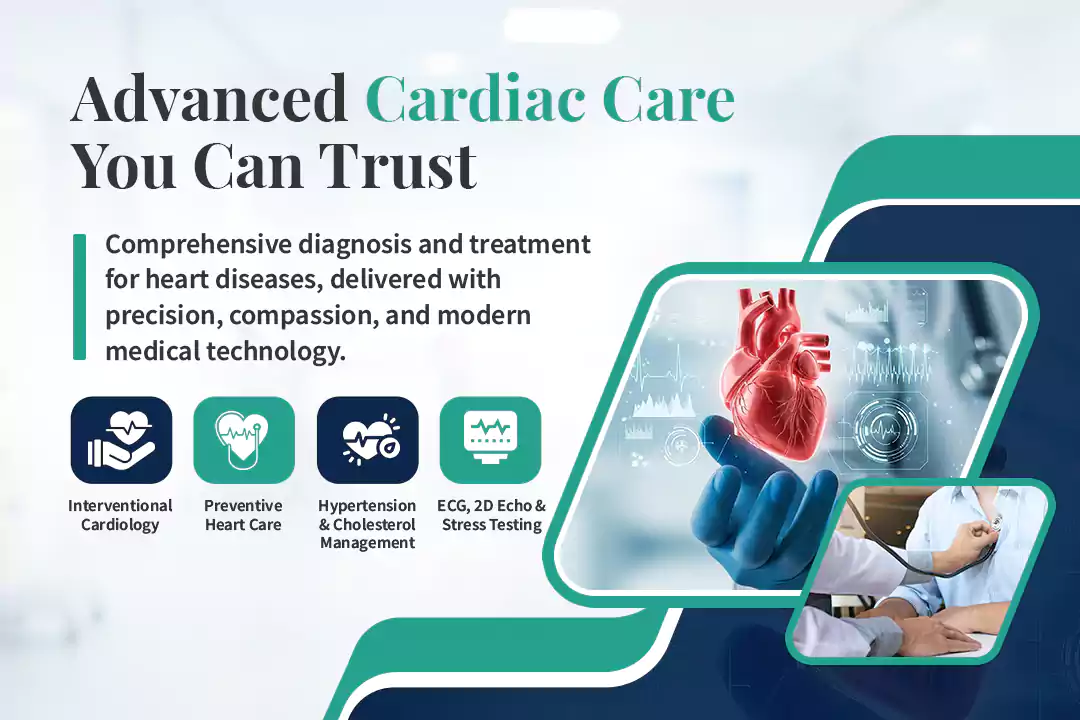
When a heart problem involves a blocked artery, reduced blood flow, or another condition that may require a minimally invasive procedure, consulting an experienced interventional cardiologist can be an important step.
If you are searching for an Interventional Cardiologist in Electronic City, Sri Hridayam Heart Care Clinic & Diagnostics provides specialist cardiac evaluation, advanced diagnostic testing, interventional cardiology, and long-term heart care for patients from Electronic City and surrounding areas of South Bangalore.
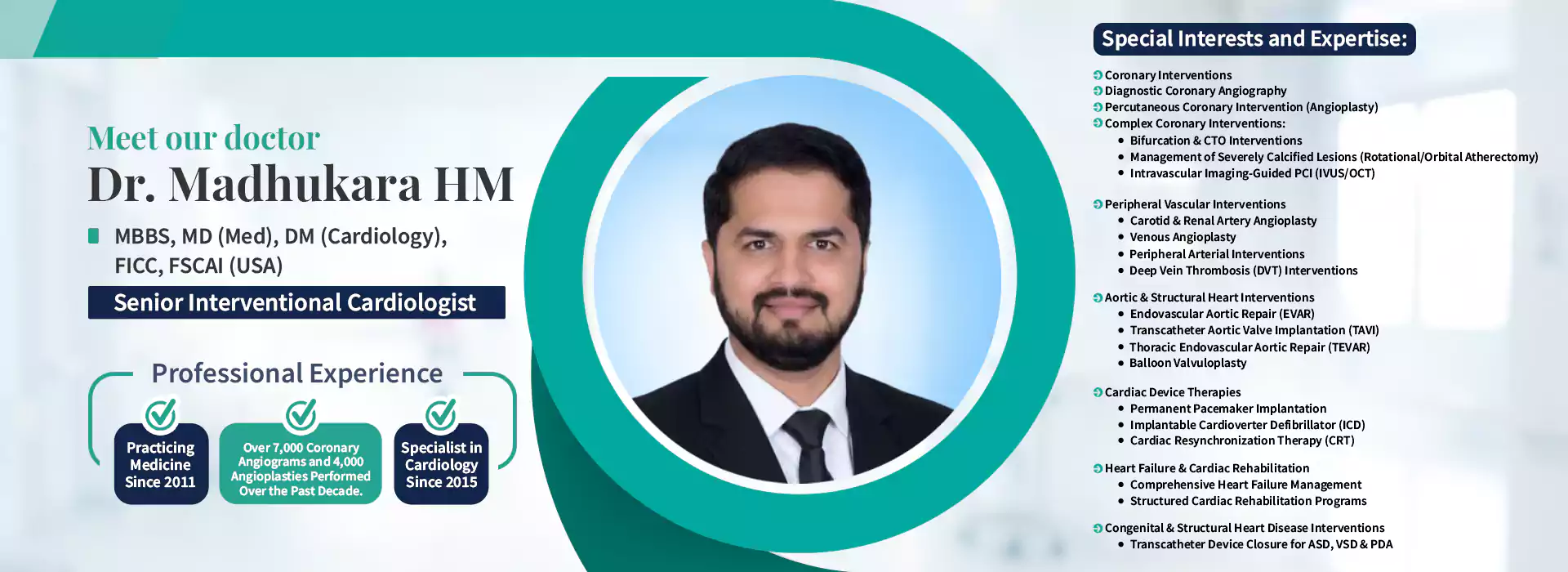
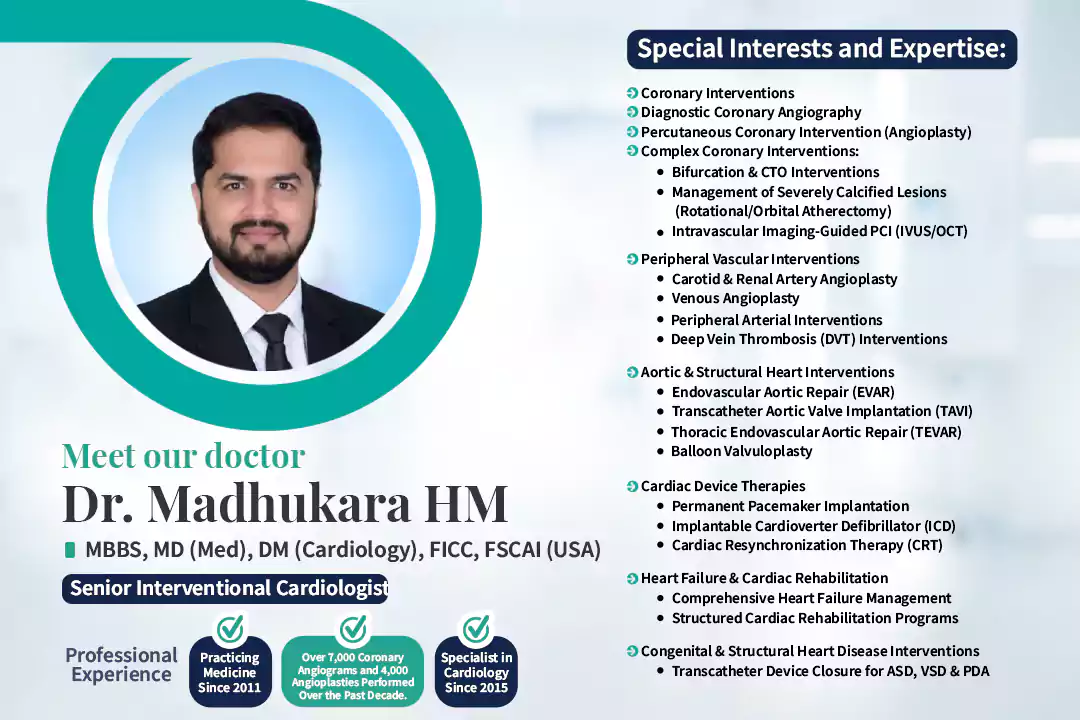
The clinic is led by Dr. Madhukara HM, MBBS, MD, DM, FICC, FSCAI, Senior Consultant Interventional Cardiologist, with expertise in the diagnosis and management of cardiovascular conditions and catheter-based cardiac procedures.
What Does an Interventional Cardiologist Do?
An interventional cardiologist specializes in minimally invasive procedures used to diagnose and treat certain heart and blood vessel conditions.
Unlike open-heart surgery, many interventional procedures are performed by guiding a thin catheter through a blood vessel to reach the heart or affected artery. Depending on the condition, the procedure may be used to identify a blockage, restore blood flow, or treat a specific structural or vascular problem.
Interventional cardiology may be considered when medication alone is not sufficient or when investigations indicate that a procedure could provide a better treatment option.
When Should You See an Interventional Cardiologist?
Not everyone with chest discomfort or high blood pressure requires an interventional procedure. However, certain symptoms and test results may require assessment by an interventional cardiologist.
You may be advised to seek specialist evaluation if you have:
- Recurrent or worsening chest pain
- Angina during physical activity
- Chest discomfort occurring at rest
- Breathlessness with minimal exertion
- Reduced exercise capacity
- Abnormal ECG or TMT findings
- Suspected or confirmed coronary artery blockage
- A history of heart attack
- Previously diagnosed coronary artery disease
- Abnormal coronary imaging
- Peripheral arterial disease
- A recommendation for coronary angiography or angioplasty
Your cardiologist will first determine the cause and severity of the problem before deciding whether an intervention is necessary.
Interventional Cardiology Services for Patients from Electronic City
Sri Hridayam Heart Care provides access to several interventional cardiology procedures for appropriate patients. The treatment recommended depends on the individual’s diagnosis, symptoms, investigations, and overall health.
Coronary Angiography
Coronary angiography is an imaging procedure used to examine the coronary arteries and identify narrowing or blockages.
A catheter is guided through a blood vessel and contrast dye is introduced into the coronary arteries. X-ray imaging then allows the cardiologist to assess blood flow and the location and severity of a blockage.
Depending on the findings, the cardiologist can determine whether medication, further evaluation, angioplasty, or another treatment approach is appropriate.
Coronary Angioplasty
Coronary angioplasty, also called PCI or PTCA, is a minimally invasive procedure used to open a narrowed or blocked coronary artery.
A small balloon is used to widen the narrowed section of the artery and improve blood flow to the heart muscle. In suitable cases, a stent may also be placed to help keep the artery open.
The decision to perform angioplasty depends on factors such as the location and severity of the blockage, symptoms, heart function, and overall cardiovascular risk.
Drug-Eluting Stent Placement
A drug-eluting stent is a small mesh tube designed to support an artery after angioplasty. It releases medication locally to help reduce the chance of the artery becoming narrowed again.
Patients who undergo stent placement require appropriate medication and follow-up care after the procedure.
Primary Angioplasty for Heart Attack
During certain types of heart attacks, a coronary artery may become suddenly blocked. Primary angioplasty, or primary PCI, is an emergency treatment used to restore blood flow to the heart as quickly as possible.
Sudden severe chest pressure, sweating, breathlessness, fainting, or pain spreading to the arm, shoulder, back, neck, or jaw can indicate a cardiac emergency.
If you suspect a heart attack, do not wait for a routine cardiology appointment. Seek emergency medical care immediately.
Complex and High-Risk Angioplasty
Some coronary blockages are technically more challenging because of their location, extent, calcification, or the overall condition of the patient.
Complex or high-risk angioplasty requires careful assessment and procedural planning. Sri Hridayam Heart Care lists complex/high-risk angioplasty among its interventional cardiology services.
Peripheral Angiography and Vascular Intervention
Interventional cardiology is not limited to the arteries supplying the heart.
Peripheral angiography can help evaluate narrowed or blocked blood vessels supplying areas such as the legs and other parts of the body. When appropriate, catheter-based intervention may be used to improve circulation.
Symptoms such as recurring leg pain while walking, cold feet, numbness, or poorly healing wounds may require evaluation for peripheral vascular disease.
How Is the Need for Angioplasty Determined?
Finding a blockage does not automatically mean that angioplasty is required.
Your cardiologist considers several factors before recommending an intervention, including:
- Your symptoms
- Severity and location of the blockage
- Heart function
- ECG and imaging findings
- Stress-test results
- Previous heart attacks or cardiac procedures
- Diabetes, blood pressure, and cholesterol
- Overall health and procedural risk
This evaluation helps determine whether medication, lifestyle modification, angioplasty, bypass surgery, or another approach may be more appropriate.
Cardiac Tests Before an Intervention
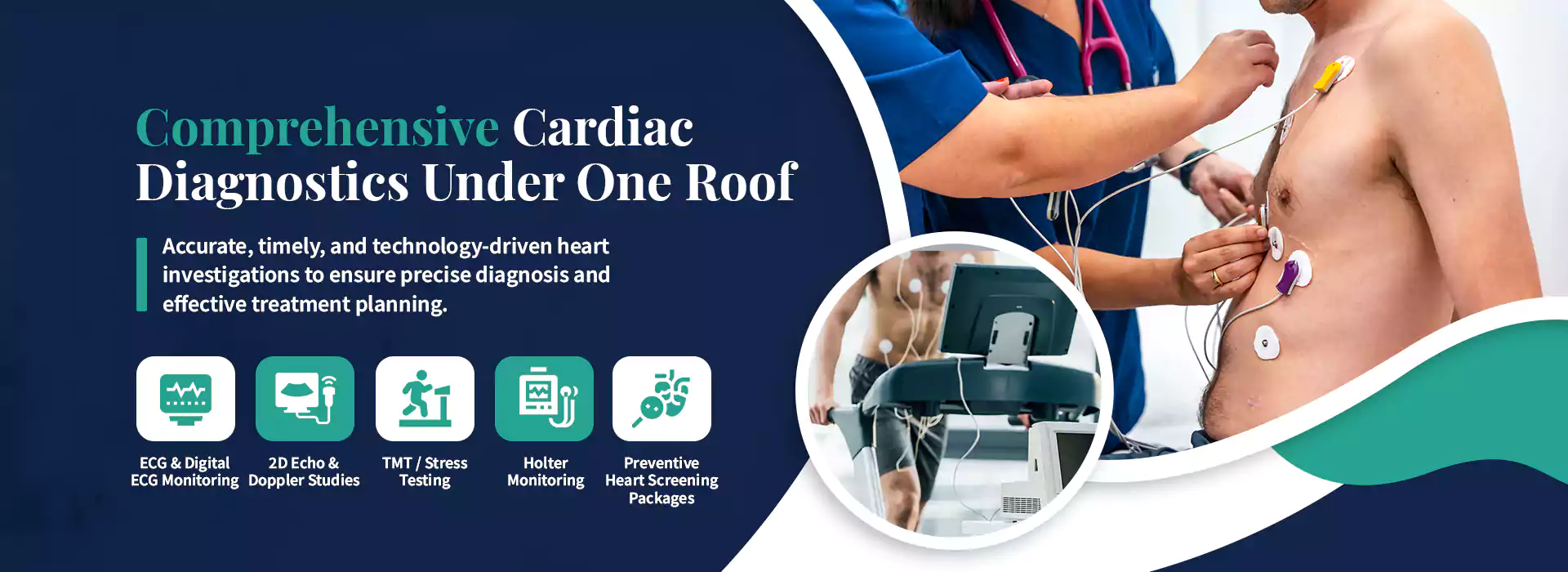
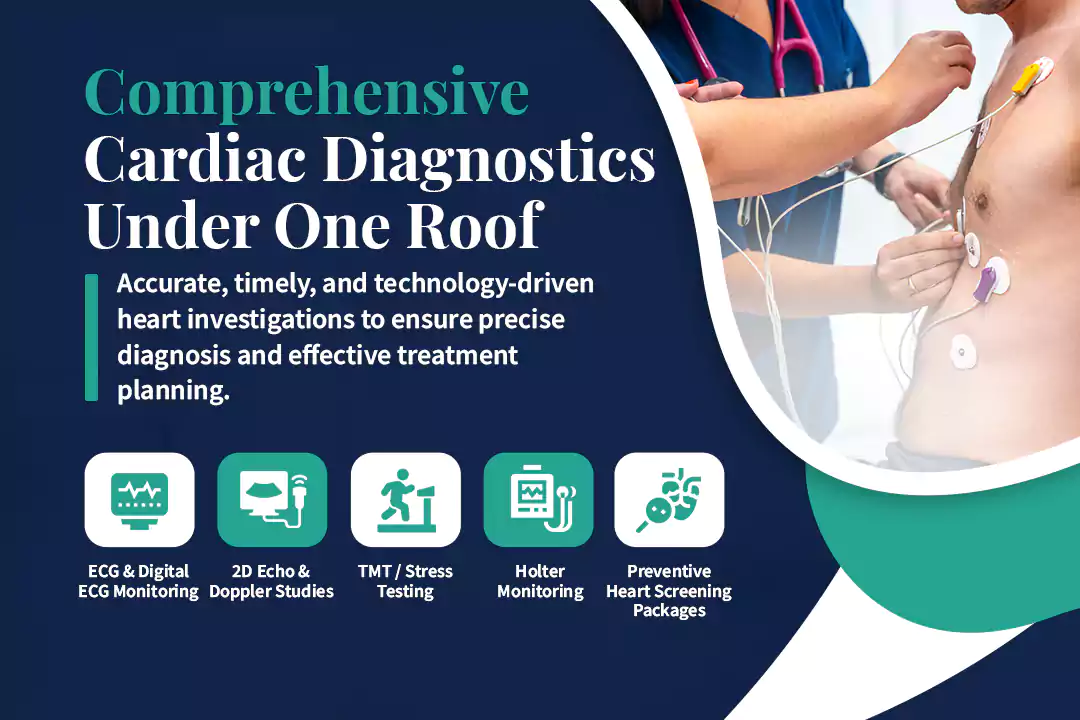
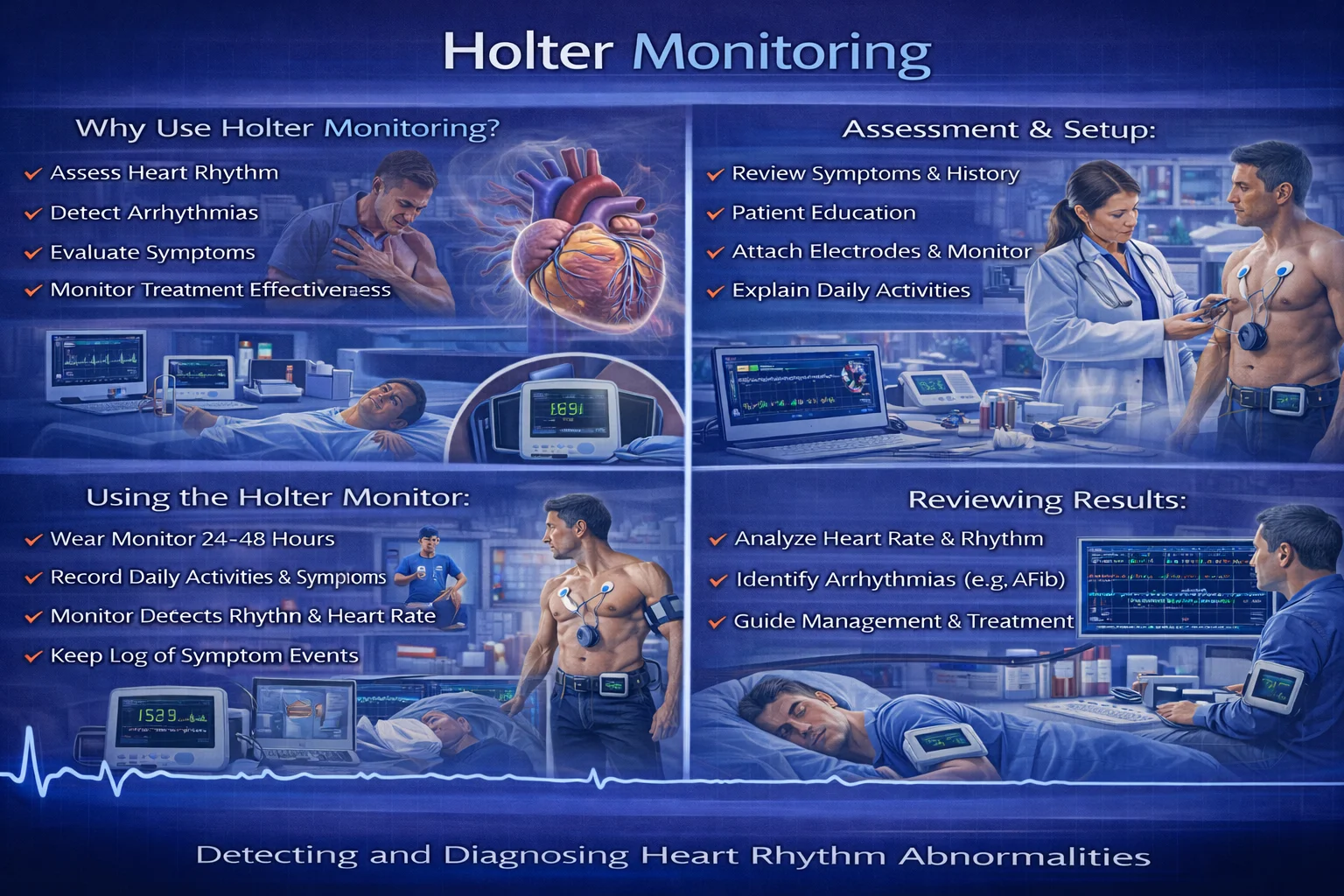
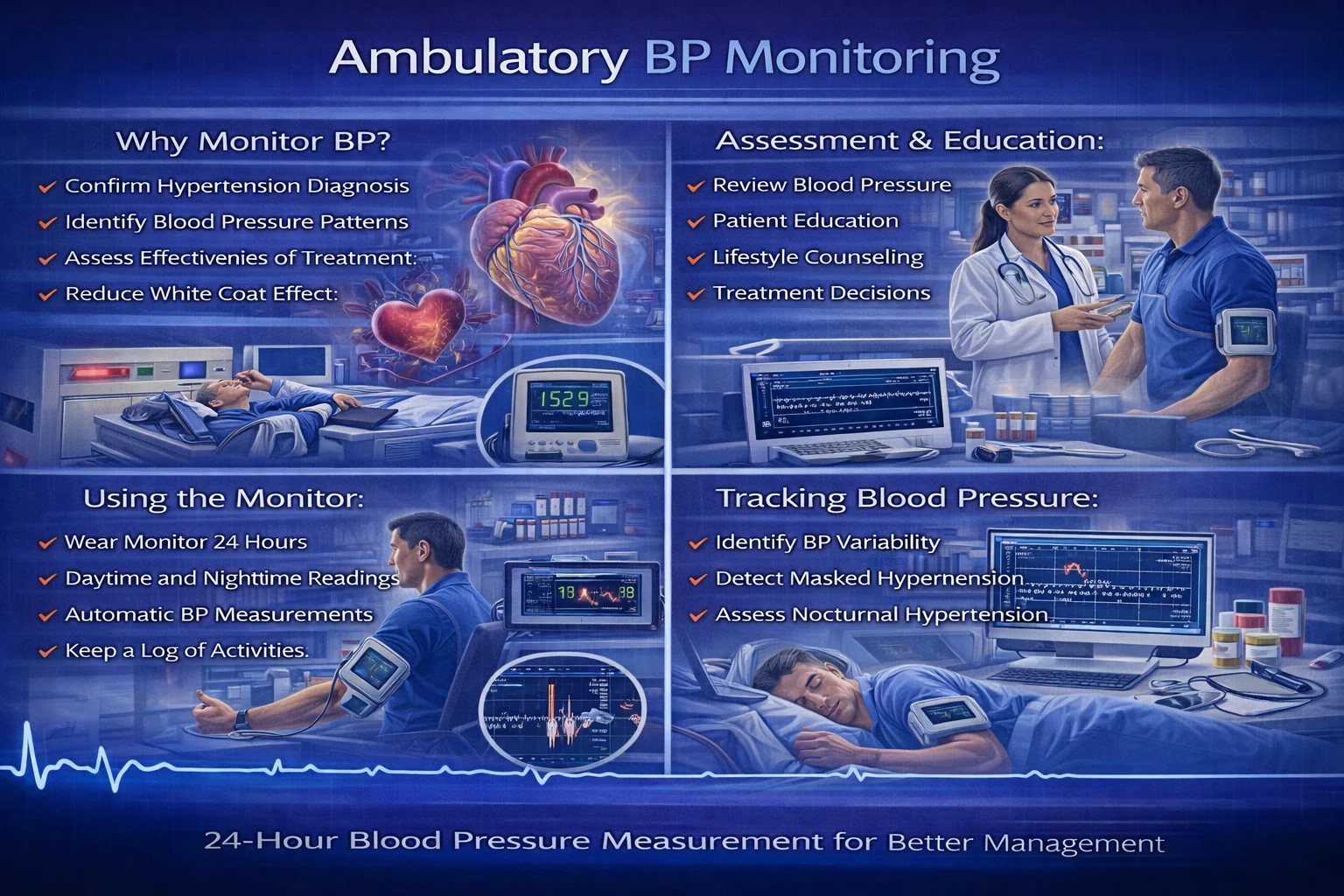
Accurate diagnosis is an important part of interventional cardiology. Sri Hridayam Heart Care offers several cardiac diagnostic services, including ECG, 2D Echo with Doppler, TMT, Holter monitoring, and ambulatory blood pressure monitoring.
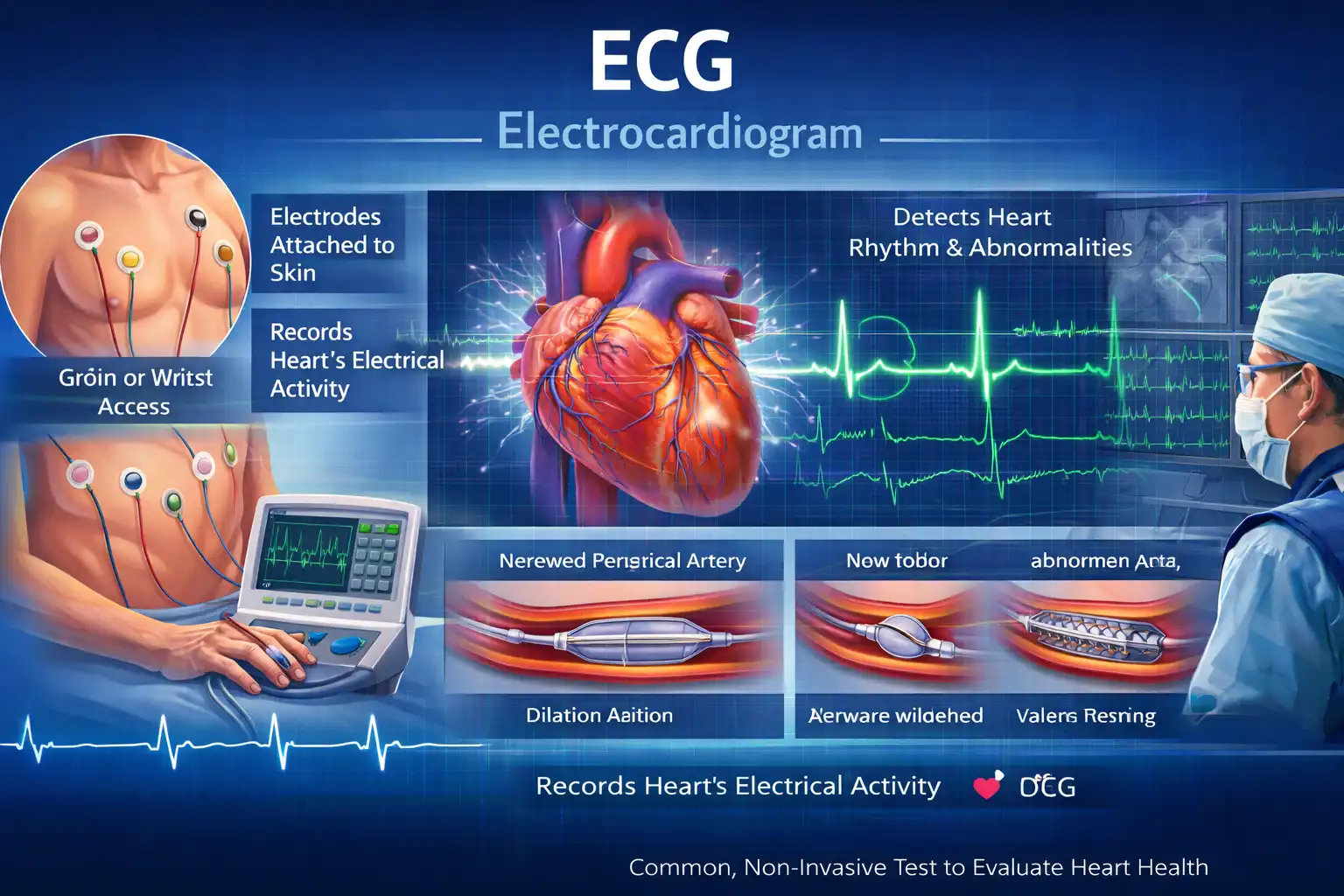
ECG
An ECG records the electrical activity of the heart and can help identify rhythm abnormalities, signs of reduced blood supply, and other cardiac changes.
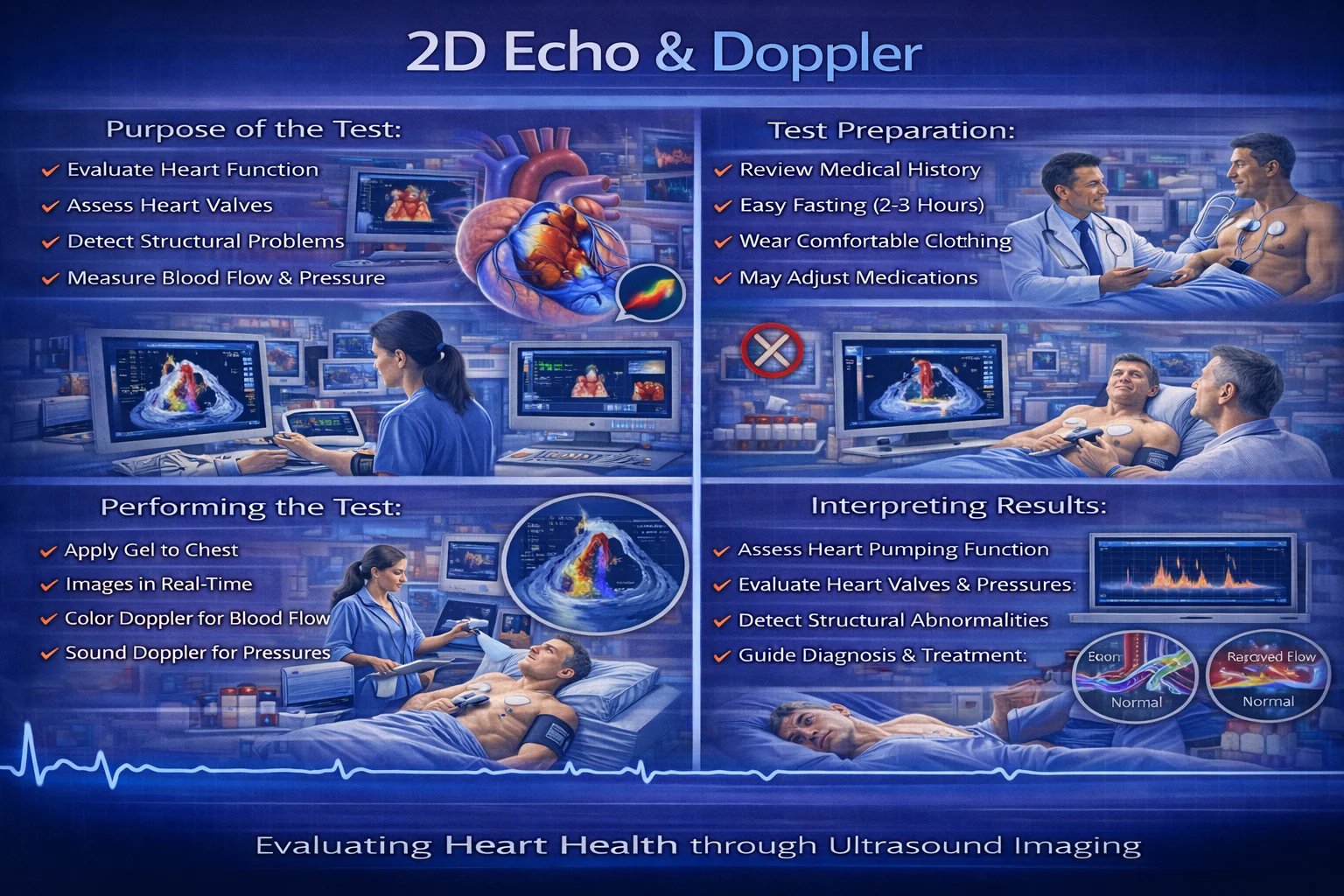
2D Echo with Doppler
An echocardiogram uses ultrasound to evaluate heart structure, pumping function, valves, and blood flow.
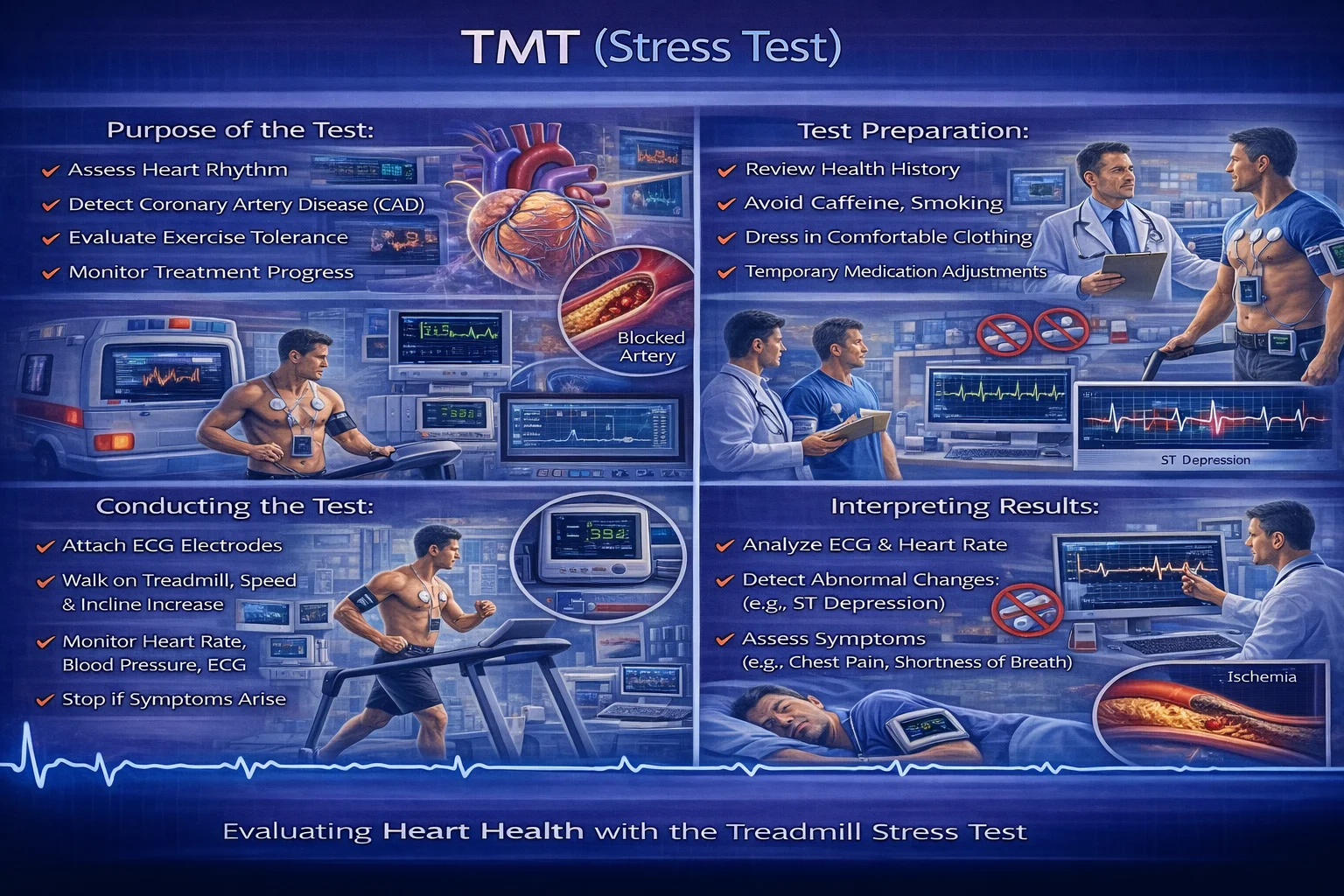
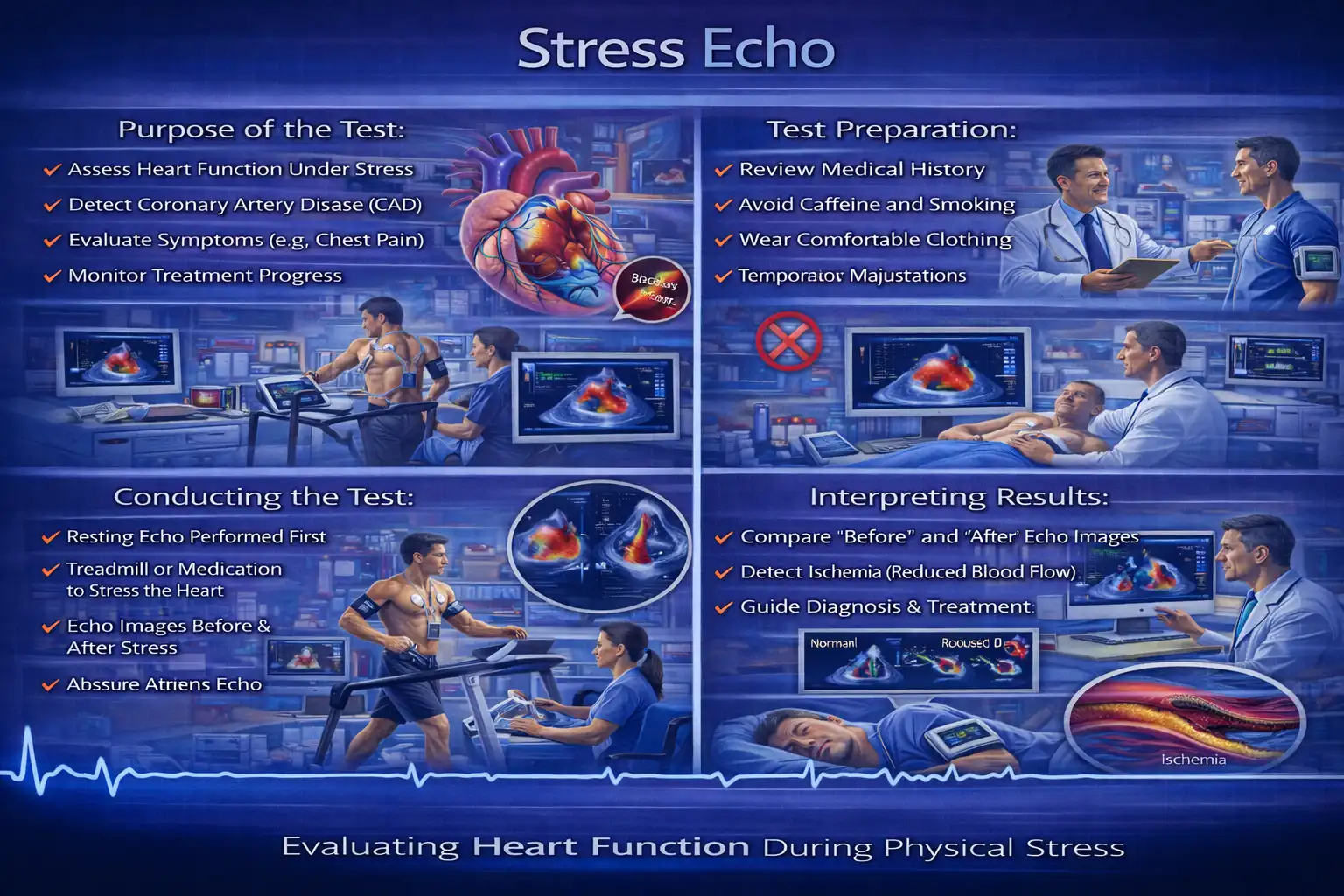
TMT
A treadmill stress test observes how the heart responds to physical activity and may help evaluate symptoms or suspected coronary artery disease.
Holter Monitoring
Holter monitoring continuously records the heart rhythm for an extended period. It can be useful when symptoms such as palpitations occur intermittently and may not be captured during a routine ECG.
Ambulatory Blood Pressure Monitoring
This test records blood pressure at regular intervals over an extended period, helping the cardiologist understand blood pressure patterns throughout the day.
Conditions Managed by an Interventional Cardiologist
An interventional cardiologist may evaluate and treat patients with a range of cardiovascular conditions, including:
Coronary Artery Disease
Coronary artery disease occurs when plaque builds up within the arteries supplying blood to the heart. Depending on its severity, treatment may involve lifestyle changes, medication, angioplasty, stenting, or other interventions.
Heart Attack
A heart attack occurs when blood flow to part of the heart muscle becomes severely reduced or blocked. In appropriate cases, emergency angioplasty can be used to restore blood flow.
Angina
Angina refers to chest discomfort caused by inadequate blood supply to the heart muscle. Persistent or worsening angina requires medical assessment to identify the underlying cause.
Peripheral Arterial Disease
Peripheral arterial disease affects blood vessels outside the heart and can reduce circulation to the legs and other areas.
Valvular and Structural Heart Conditions
Some structural heart conditions may require specialist evaluation to determine whether medical treatment, catheter-based intervention, or surgery is appropriate.
Why Choose an Interventional Cardiologist at Sri Hridayam Heart Care?
Choosing an interventional cardiologist is not simply about finding someone who performs procedures. Good cardiac care begins with determining whether a procedure is actually needed.
At Sri Hridayam Heart Care, the approach combines:
Specialist interventional expertise: Dr. Madhukara HM is identified by the clinic as a Senior Consultant Interventional Cardiologist with qualifications including MBBS, MD, DM, FICC and FSCAI.
Comprehensive cardiac evaluation: Diagnostic investigations such as ECG, echocardiography, TMT and Holter monitoring support the assessment of cardiac conditions.
Minimally invasive treatment options: The clinic provides interventional services including coronary angiography, angioplasty, drug-eluting stent placement and primary angioplasty for heart attack.
Preventive heart care: Managing blood pressure, cholesterol, diabetes-related cardiovascular risk, and other risk factors is an important part of long-term heart health.
Continuity of care: Cardiac treatment does not end after a procedure. Follow-up, medication management, lifestyle changes, and monitoring remain important.
What Happens After Angioplasty?
Successful angioplasty is only one part of managing coronary artery disease.
After an angioplasty or stent procedure, your cardiologist may recommend:
- Taking prescribed medications exactly as directed
- Regular follow-up appointments
- Blood pressure control
- Cholesterol management
- Diabetes management where applicable
- Heart-healthy dietary changes
- Gradual return to physical activity
- Avoiding tobacco
- Maintaining a healthy body weight
Never stop blood-thinning or other prescribed cardiac medication without discussing it with your doctor.
Interventional Cardiologist Near Electronic City
Patients searching for an interventional cardiologist near Electronic City may be looking for specialist care without travelling unnecessarily far across Bangalore.
Sri Hridayam Heart Care is located in JP Nagar and serves patients from Electronic City and other South Bangalore areas. The clinic’s location makes it accessible to patients travelling from parts of the Electronic City, Bannerghatta Road, JP Nagar, Jayanagar and surrounding corridors.
For patients who need an initial cardiac assessment, second opinion, diagnostic evaluation, or discussion about an angiography or angioplasty recommendation, a consultation can help clarify the next appropriate step.
Do You Always Need Angioplasty for a Heart Blockage?
No.
The presence of a coronary blockage does not automatically mean that angioplasty is the only treatment.
Depending on the patient’s symptoms, blockage characteristics, heart function, and overall risk, the cardiologist may recommend medication and lifestyle management, angioplasty, or referral for surgical treatment.
The objective should be to choose the treatment that provides the most appropriate benefit for the individual patient.
Frequently Asked Questions
1. Who is an interventional cardiologist?
An interventional cardiologist is a heart specialist trained in catheter-based procedures used to diagnose and treat certain cardiovascular conditions. These include procedures such as coronary angiography, angioplasty and stent placement.
2. What is the difference between a cardiologist and an interventional cardiologist?
A cardiologist diagnoses and medically manages heart conditions. An interventional cardiologist has additional expertise in minimally invasive catheter-based procedures used for conditions such as blocked coronary arteries.
3. When is angioplasty recommended?
Angioplasty may be considered when a coronary artery is significantly narrowed or blocked and the patient’s symptoms, test results, or clinical situation indicate that restoring blood flow through PCI could be beneficial.
4. Is angioplasty the same as bypass surgery?
No. Angioplasty is a catheter-based procedure used to open a narrowed or blocked artery. Bypass surgery creates an alternative route for blood to reach the heart muscle. The appropriate treatment depends on the patient’s individual coronary anatomy and medical condition.
5. What tests are done before angioplasty?
Depending on the situation, the cardiologist may review an ECG, echocardiogram, TMT, blood investigations, and other cardiac imaging. Coronary angiography may be performed when direct assessment of the coronary arteries is required.
6. Can an interventional cardiologist treat a heart attack?
Yes. Primary angioplasty is an important emergency treatment for certain heart attacks caused by an acutely blocked coronary artery. Sri Hridayam Heart Care lists primary angioplasty for STEMI among its interventional services.
7. Where can I consult an interventional cardiologist near Electronic City?
Sri Hridayam Heart Care Clinic & Diagnostics is located in JP Nagar, Bengaluru, and serves patients from Electronic City and surrounding areas of South Bangalore. The clinic is led by Dr. Madhukara HM, Senior Consultant Interventional Cardiologist.
Get Specialist Cardiac Care Before a Heart Problem Becomes an Emergency
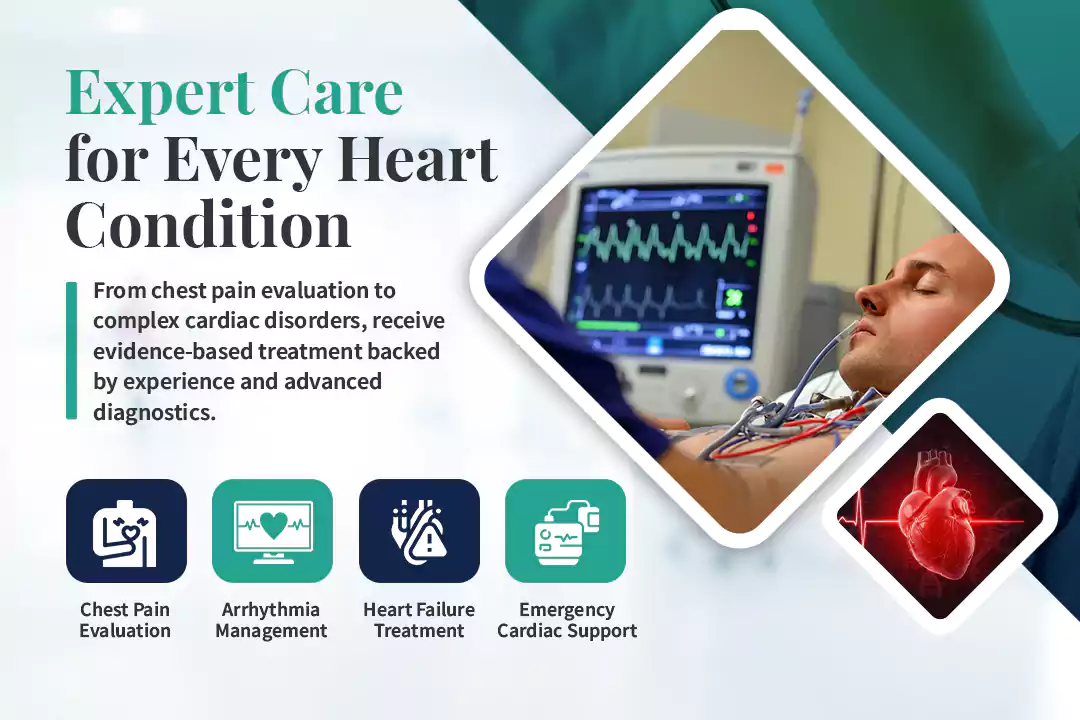
Chest pain, breathlessness, reduced exercise tolerance, or an abnormal cardiac test should not be ignored.
If you have been advised to undergo coronary angiography or angioplasty, or if you have been diagnosed with a coronary blockage, an experienced interventional cardiology consultation can help you understand your condition and available treatment options.
Sri Hridayam Heart Care provides cardiac diagnostics, interventional cardiology, preventive care, and long-term heart disease management for patients from Electronic City and South Bangalore.
For severe or sudden chest pain, breathlessness, sweating, collapse, or other possible heart-attack symptoms, seek emergency medical attention immediately rather than waiting for a clinic appointment.